A new office building may have glass façades, modern interiors, and the latest facilities. Yet, when a major company searches for its next headquarters, why might it still choose a business district with decades of commercial history? The answer lies in the value that takes years to build: trusted business networks, proximity to influential institutions, and an address clients already recognise. For high-value occupiers, these advantages can make an established district a strategic business decision.
Business Connections Matter
Consider a legal firm that regularly meets corporate clients, financial institutions, and investment advisers. An office in an established commercial district can bring these organisations within easier reach, making professional interactions more convenient. The surrounding business community also provides access to networks that have developed over many years.
South Mumbai’s Fort district illustrates this advantage. Financial institutions, legal establishments, and corporate offices have a long-standing presence here. Businesses looking for office space in South Mumbai may value proximity to institutions such as the Bombay Stock Exchange, Reserve Bank of India, and Bombay High Court.
Being close to established organisations can help companies maintain client relationships and connect with industry peers. For businesses that rely on trust and regular communication, this professional ecosystem can influence where they choose to operate.
An Address Shapes Business Identity
A recognised commercial address can influence how clients perceive a company before a meeting even begins. However, the building must support that impression through its design, infrastructure, and working environment.
Kala Ghoda offers an interesting example. Located within the historic Fort district, the neighbourhood brings together financial institutions, cultural landmarks, galleries, restaurants, and luxury retail destinations. This combination gives the area a distinctive identity beyond conventional office use.
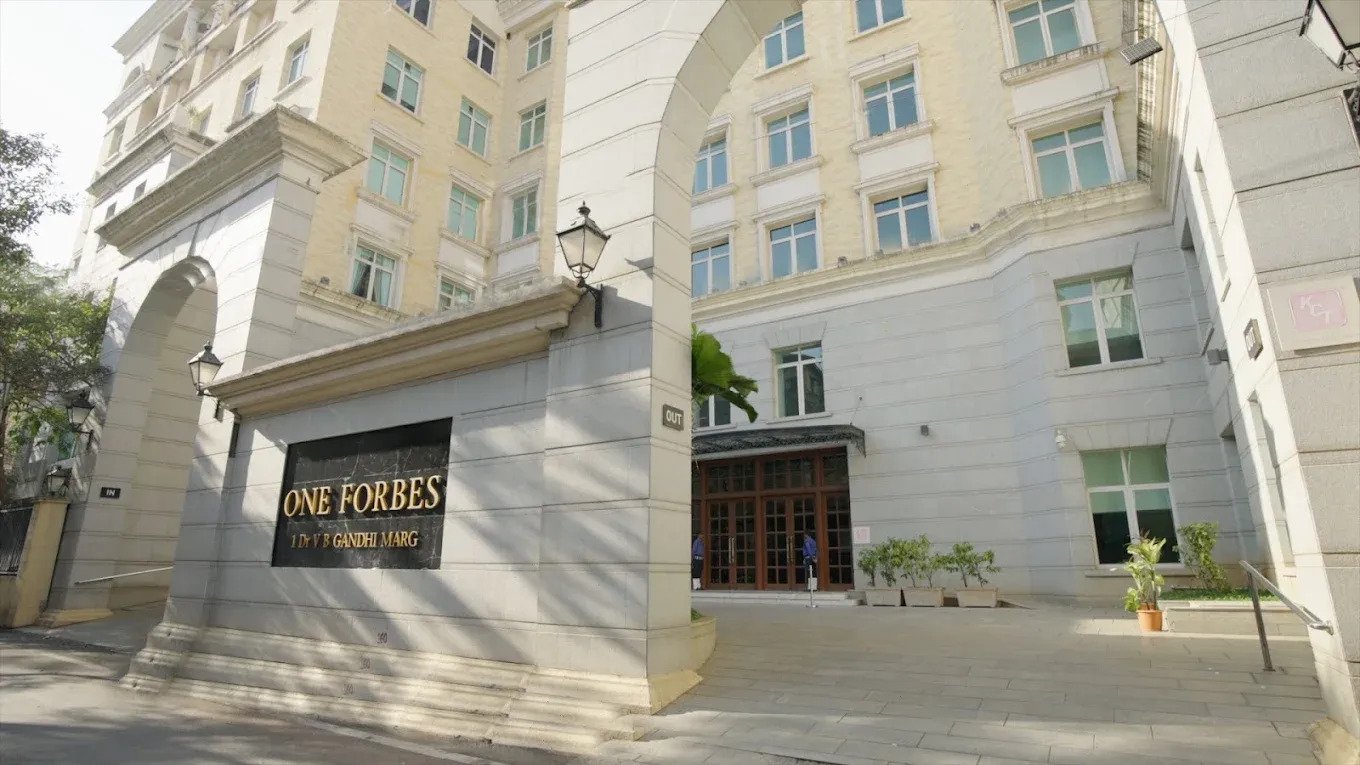
At 1 Dr. V.B. Gandhi Marg, a commercial property designed by Hafeez Contractor and constructed by Shapoorji Pallonji combines classical architectural elements with contemporary infrastructure. Known as ICP One Forbes, the building occupies a place within this established business and cultural precinct. Its setting illustrates how architectural character and a recognised address can complement a company’s professional image.
For businesses exploring office space for rent in South Mumbai, the decision involves assessing how well the property and its surroundings reflect their identity while meeting everyday workplace needs.
Quality Must Match the Location
A prestigious address cannot compensate for a building that fails to meet operational requirements. Employees need a functional working environment, clients should be able to reach the premises conveniently, and the infrastructure must support daily activities.
This explains the continued interest in Grade A office space in Mumbai. Businesses consider building design, security, lifts, parking, maintenance, and transport connectivity when assessing a property. These factors influence the experience of employees and visitors, along with the efficiency of business operations.
Established districts can also offer continuity as companies grow. A business may expand its team, welcome larger clients, or adapt its operations over time. A suitable office in a recognised commercial area can support these changes while keeping the company connected to its professional network.
Why Established Districts Retain Their Appeal
Established business districts continue to attract high-value occupiers because their advantages have accumulated over time. Professional networks, institutional presence, transport links, and commercial reputation create value that newer locations may take years to develop.
Ultimately, businesses must find a balance between location, building quality, and practical requirements. When these elements align, an office becomes more than a place to work. It can reinforce credibility, support professional relationships, and provide a reliable base for future growth.