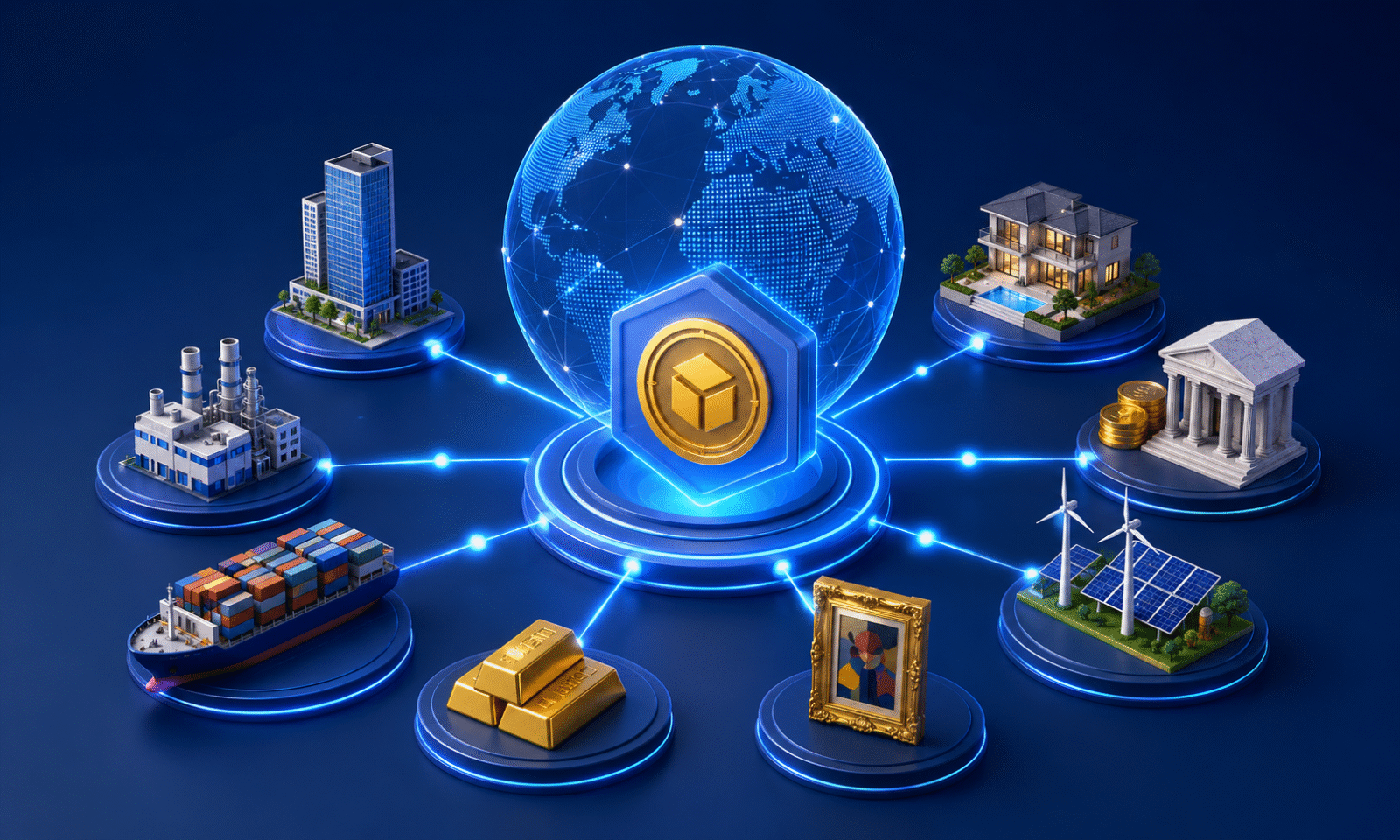
Financial markets are witnessing a major shift in the way assets are bought, sold, and distributed across borders. Traditional investment systems often involve lengthy paperwork, limited accessibility, high transaction costs, and geographical restrictions. These barriers have historically slowed down asset movement and reduced liquidity in many sectors including real estate, commodities, private equity, fine art, and infrastructure.
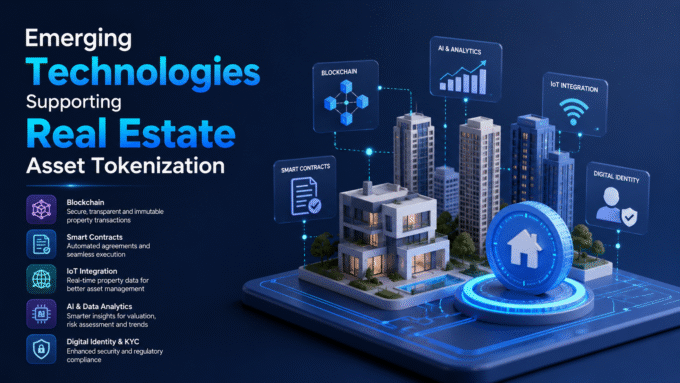
Real World Asset Tokenization is changing how ownership and liquidity function in global markets. By converting physical and financial assets into blockchain-based digital tokens, businesses and investors can divide ownership into smaller units and distribute them across a wider investor base. This approach allows assets that were previously difficult to trade to move more efficiently within digital marketplaces.
The growing interest in RWA Tokenization is closely tied to the increasing demand for liquidity in traditionally illiquid markets. Investors are looking for flexible entry points, fractional ownership opportunities, and faster settlements. At the same time, businesses seek methods to raise capital without relying solely on conventional financial institutions.
As institutions, startups, and asset managers adopt blockchain-backed systems, the role of a RWA Tokenization Company becomes increasingly important in creating secure ecosystems for token issuance, compliance, trading, and ownership management. The rise of Real World Asset Tokenization Services is also contributing to the wider adoption of digital investment ecosystems across multiple regions.
This article discusses nine important ways Real World Asset Tokenization is improving global asset liquidity and changing investment participation worldwide.
1. Fractional Ownership Expands Investor Participation
One of the biggest reasons for poor liquidity in traditional asset markets is the high capital requirement. Many real estate properties, commercial assets, and infrastructure projects demand substantial investments that only institutional investors or wealthy individuals can afford.
RWA Tokenization divides large assets into smaller digital units that represent partial ownership. This allows multiple investors to purchase fractions of an asset rather than acquiring it entirely.
For example, a commercial building worth $20 million can be divided into thousands of digital tokens. Investors from different countries can buy small portions according to their financial capacity.
This method improves liquidity because:
- More investors can participate
- Asset ownership becomes accessible
- Trading activity increases
- Entry barriers become lower
Fractional ownership also creates secondary market activity where token holders can buy and sell portions of assets without waiting for the entire property or asset to be sold.
As a result, markets that once experienced slow capital movement now witness higher investor activity and improved asset circulation.
2. Secondary Market Trading Increases Asset Movement
Traditional asset transactions often involve intermediaries, legal verification, banking procedures, and lengthy settlement timelines. These factors reduce trading frequency and create liquidity bottlenecks.
Real World Asset Tokenization introduces digital marketplaces where tokenized assets can be traded more frequently. Investors do not need to wait months for property transfers or lengthy approval cycles.
Secondary trading contributes to liquidity by allowing investors to:
- Exit investments earlier
- Reallocate capital quickly
- Respond to market conditions faster
- Access wider trading opportunities
For example, tokenized real estate assets can be traded similarly to digital securities within approved platforms. Instead of waiting years for asset appreciation, investors can liquidate portions of their holdings when needed.
This constant movement of digital asset shares contributes to healthier liquidity conditions in global markets.
Many businesses are now investing in rwa tokenization platform development to create marketplaces dedicated to tokenized asset trading and investor participation.
3. Cross-Border Investments Become More Efficient
Global investing traditionally involves currency exchange issues, regulatory complications, banking delays, and jurisdiction-specific restrictions. These obstacles reduce participation from international investors and limit asset exposure.
Real World Asset Tokenization Services support global accessibility by digitizing ownership structures and simplifying participation procedures.
Blockchain-supported token systems can facilitate:
- International asset distribution
- Faster investor onboarding
- Digital ownership verification
- Reduced dependency on local intermediaries
An investor in Asia can participate in tokenized property ownership in Europe or North America without facing many traditional administrative delays.
This wider global reach improves liquidity because assets are no longer limited to local buyer pools. Instead, investment opportunities become available to a broader audience across multiple regions.
The growing demand for cross-border accessibility has increased interest in RWA tokenization development services among financial institutions and asset management firms.
4. Faster Settlement Reduces Capital Lock-Up
Conventional financial systems often require several days to finalize transactions. Settlement delays can restrict liquidity because investor capital remains locked during processing periods.
Blockchain-backed token systems reduce settlement timelines significantly. Transactions can occur within minutes or hours depending on the platform infrastructure and compliance procedures.
Faster settlements improve liquidity in several ways:
- Investors regain capital quickly
- Trading cycles become shorter
- Transaction efficiency improves
- Reinvestment opportunities increase
For businesses, rapid settlements can improve fundraising efficiency and asset distribution.
In sectors such as commercial real estate and commodities, reducing settlement time can create more active trading ecosystems where investors are more willing to participate due to quicker transaction completion.
RWA token development plays a major role in supporting these digital transaction systems and ownership structures.
5. Tokenization Brings Liquidity to Traditionally Illiquid Assets
Certain asset classes have historically suffered from poor liquidity. These include:
- Luxury real estate
- Art collections
- Rare collectibles
- Infrastructure assets
- Private equity holdings
- Agricultural assets
Selling such assets often takes months or years due to valuation processes and limited buyer availability.
RWA Tokenization changes this situation by converting these assets into tradable digital shares. Instead of selling the entire asset, owners can distribute smaller portions to investors globally.
For example, artwork valued at millions of dollars can be tokenized and sold in smaller ownership units. Investors gain access to asset classes that were previously inaccessible while asset owners gain additional liquidity channels.
This wider participation creates ongoing market activity and improves capital movement across sectors that once remained financially stagnant.
As demand increases, businesses are seeking support from a RWA tokenization development company to digitize multiple categories of physical and financial assets.
6. Reduced Intermediaries Lower Transaction Friction
Traditional asset transactions typically involve brokers, banks, legal firms, escrow providers, and multiple verification agencies. Each intermediary introduces additional costs and delays.
Real World Asset Tokenization reduces reliance on multiple middle-layer participants by using blockchain-supported ownership verification and automated smart contract execution.
Lower transaction friction improves liquidity because:
- Investors face fewer delays
- Transaction costs become lower
- Smaller investors can participate
- Asset transfers occur more efficiently
Reduced operational complexity also encourages more frequent trading activity.
For businesses, lower transaction overhead can increase investor participation rates and improve fundraising outcomes.
The increasing popularity of RWA Tokenization Services is partly linked to the reduced administrative burden associated with digital ownership systems.
7. Continuous Market Accessibility Encourages Trading Activity
Traditional financial markets often operate during fixed regional business hours. Investors may face delays due to holidays, banking closures, or market timing limitations.
Tokenized asset ecosystems can support broader accessibility through digital trading platforms that remain active beyond conventional operating schedules.
This improves liquidity because investors can:
- Participate from different time zones
- Execute transactions more frequently
- Respond to market events faster
- Maintain consistent asset activity
Continuous market participation creates healthier trading ecosystems with higher transaction frequency.
Global investors increasingly prefer digital investment environments that provide faster interaction and fewer timing restrictions.
Businesses entering the digital asset sector are actively investing in rwa tokenization platform development to create efficient asset trading environments for international investors.
8. Smaller Investment Sizes Increase Market Activity
High-value investments traditionally exclude retail participants. This limits the number of active investors and reduces transaction frequency.
RWA Tokenization allows assets to be divided into smaller investment units. Instead of requiring hundreds of thousands of dollars, participation may begin with significantly smaller amounts depending on platform structure and regulations.
This contributes to liquidity because:
- Retail investors enter the market
- Trading volume increases
- Asset demand becomes wider
- Capital circulation improves
Smaller ticket sizes also help younger investors participate in asset classes such as real estate, infrastructure, and commodities.
The expansion of investor participation leads to healthier asset ecosystems with more active buying and selling behavior.
Many financial firms now partner with a RWA Tokenization Company to introduce accessible investment models targeting both institutional and retail investors.
9. Institutional Interest Is Expanding Digital Asset Markets
Institutional investors are increasingly evaluating tokenized assets as part of broader investment strategies. Asset managers, banks, venture firms, and financial institutions are examining the operational and liquidity benefits associated with digital asset ownership structures.
Institutional participation contributes to:
- Increased market confidence
- Larger trading volumes
- Better infrastructure development
- More organized compliance standards
As institutions enter the sector, digital asset marketplaces continue to mature. This supports stronger liquidity conditions and encourages broader adoption among retail participants.
Several financial organizations are also investing in RWA tokenization development services to create platforms that support institutional-grade compliance and asset management functions.
The increasing involvement of large financial entities indicates that tokenized asset markets are gradually becoming part of mainstream investment systems.
Industries Benefiting From Improved Asset Liquidity
Multiple industries are experiencing the impact of Real World Asset Tokenization and improved liquidity systems.
Real Estate
Property tokenization allows fractional ownership and secondary trading opportunities for residential and commercial assets.
Commodities
Gold, oil, agricultural products, and precious metals can be digitized for broader investor access.
Infrastructure
Large-scale infrastructure projects can attract global investment participation through digital ownership units.
Art and Collectibles
Rare collectibles and fine art become more accessible to retail investors through fractional investment structures.
Private Equity
Private investment opportunities gain wider investor participation and additional liquidity channels.
Debt Markets
Tokenized bonds and debt instruments support faster settlements and improved investor accessibility.
Challenges Still Facing RWA Tokenization
Although liquidity improvements are significant, certain challenges remain within the sector.
Regulatory Uncertainty
Different countries maintain varying digital asset regulations, creating compliance complexities for global projects.
Market Education
Many investors still lack understanding of tokenized ownership systems and blockchain-backed investment structures.
Technology Risks
Platform vulnerabilities, cybersecurity concerns, and infrastructure limitations remain important considerations.
Asset Valuation
Accurate pricing and ownership verification are critical for maintaining investor confidence.
Legal Frameworks
Clear legal recognition of tokenized ownership rights is still evolving in several jurisdictions.
Despite these challenges, the sector continues to witness increasing participation from businesses, institutions, and investors seeking more efficient asset liquidity systems.
The Future of Global Asset Liquidity
The financial sector is gradually moving toward digital ownership ecosystems that support broader accessibility and faster capital movement. As blockchain infrastructure matures and regulations become clearer, tokenized assets may become more common across mainstream financial markets.
Future developments may include:
- Greater institutional participation
- Expansion of regulated marketplaces
- Wider retail investor involvement
- Tokenized government securities
- Digitized global commodity trading
- Increased interoperability between platforms
The long-term potential of RWA Tokenization lies in its ability to improve how assets circulate within international financial systems.
Businesses that adopt digital ownership systems early may gain access to wider investor pools and improved fundraising opportunities.
Conclusion
Real World Asset Tokenization is improving global asset liquidity by introducing fractional ownership, faster settlements, broader investor participation, reduced transaction friction, and more active secondary markets. From real estate and commodities to infrastructure and private equity, tokenized ownership models are creating new opportunities for both businesses and investors across international markets. As digital asset ecosystems continue to mature, liquidity conditions in traditionally illiquid sectors are expected to improve further through increased accessibility and wider trading participation. Businesses seeking entry into this growing sector are increasingly working with experienced providers offering RWA Tokenization Services, rwa tokenization platform development, RWA token development, and digital asset infrastructure solutions. Blockchain App Factory provides Real World Asset Tokenization Services for businesses looking to enter the evolving tokenized asset market with secure and efficient blockchain-based solutions.