Hair loss conversations almost always focus on too much testosterone, or more accurately, too much DHT. But a question that comes up less often and deserves a proper answer is whether low testosterone causes hair loss too. For men in Trivandrum dealing with thinning hair alongside other symptoms that suggest hormonal changes, this is not just an academic question. It directly affects what treatment will actually help.
Let us go through the actual science here, without the confusion that usually surrounds this topic.
Does Low Testosterone Actually Cause Hair Loss?
The relationship between low testosterone and hair loss is more complicated than most people expect, and the honest answer is it depends on the type of hair loss being discussed.
Androgenetic Alopecia — The Most Common Type
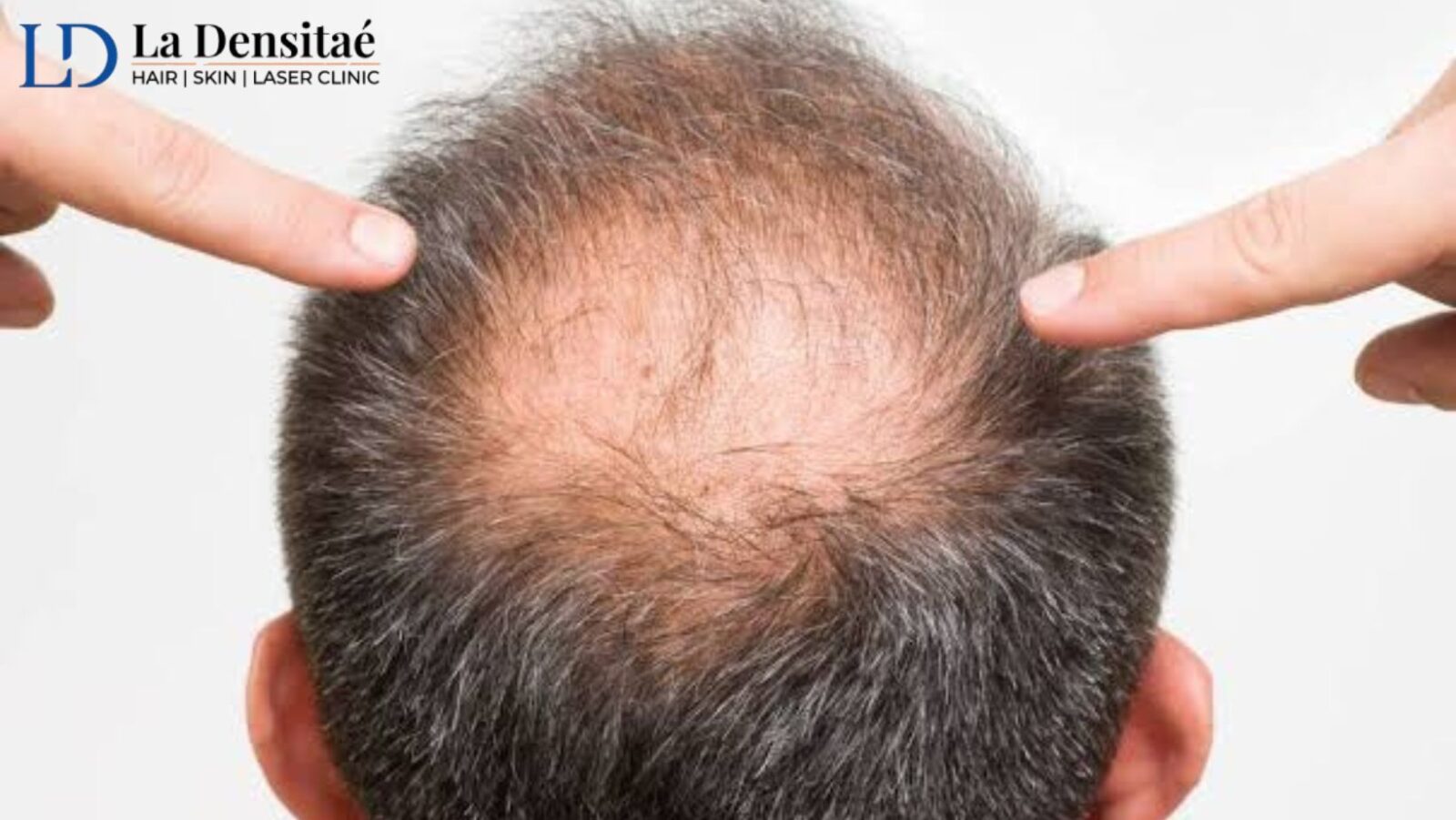
The most common form of male pattern baldness is driven by DHT sensitivity, not by testosterone levels being too high or too low. DHT is a byproduct created when testosterone converts through an enzyme called 5-alpha reductase. Hair follicles that are genetically sensitive to DHT gradually miniaturize and stop producing visible hair over time.
Here is what surprises most people: men with lower testosterone levels can still have significant DHT-driven hair loss if their follicles are genetically sensitive to it. Total testosterone levels in the blood are not a reliable predictor of pattern baldness severity. Follicle sensitivity and genetic predisposition matter far more.
Where Low Testosterone Does Play a Role
Low testosterone, or hypogonadism, can contribute to a different kind of hair thinning one that is more diffuse and affects body hair as well as scalp hair. This is a separate process from androgenetic alopecia and is linked to the broader effects of testosterone deficiency on the body, including reduced hair follicle activity across multiple areas.
Understanding which type of testosterone hair loss a patient is dealing with is clinically important, because the treatment approach differs significantly between the two.
Why Getting This Diagnosis Right Matters Before a Transplant
This is where a lot of patients make a costly mistake. They assume their hair loss has one cause, pursue treatment based on that assumption, and end up with results that do not match their expectations.
If Hair Loss Is DHT-Driven
A hair transplant in Trivandrum can be a very effective solution. The procedure relocates DHT-resistant follicles from the donor area to thinning regions. Since these donor follicles are genetically less sensitive to DHT, they tend to hold up well long-term even after being moved to previously affected areas.
If Hair Loss Is Linked to Low Testosterone
The picture is more nuanced here. If low testosterone is the primary driver of hair thinning, addressing the hormonal deficiency through medical management working with an endocrinologist may improve hair health without requiring surgery at all, or at least before surgery becomes necessary. Proceeding with a transplant without addressing the underlying hormonal issue first may produce limited results.
A responsible hair transplant clinic in Trivandrum will factor this into the pre-surgical evaluation rather than moving straight to recommending a procedure.
What a Proper Pre-Surgical Evaluation Should Include
Before any transplant is planned, a thorough assessment gives a far clearer picture of what is actually driving the hair loss and what treatment will genuinely help.
Scalp Assessment
Trichoscopy allows a surgeon to examine follicle miniaturization patterns directly, distinguishing between diffuse thinning associated with hormonal deficiency and the more patterned loss typical of androgenetic alopecia. This single step often clarifies what blood tests alone cannot.
Hormonal Evaluation When Indicated
If symptoms beyond hair loss are present fatigue, reduced energy, mood changes, or reduced body hair a hormonal panel is worth discussing with a doctor. For patients where low testosterone is genuinely contributing to hair thinning, addressing that first gives any hair restoration treatment a better foundation to work from.
Family History
Pattern baldness has strong genetic roots. If close male relatives experienced similar hair loss patterns regardless of known testosterone levels, genetic sensitivity to DHT is very likely the dominant factor rather than hormonal deficiency.
Finding the Right Clinic in Trivandrum
Trivandrum has developed a solid medical infrastructure over the years, and hair restoration is part of that growth. The best hair transplant in Trivandrum comes from clinics where surgeons take the time to understand what is actually causing a patient’s hair loss before recommending any treatment path.
Under the clinical direction of Dr Gajanan Jadhao, whose background includes specialized trichology training and extensive hair restoration experience across multiple cities including Trivandrum through the Ladensitae network, consultations are approached with this kind of diagnostic seriousness. The goal is to match the treatment to the actual clinical picture rather than defaulting to surgery as the first answer for every patient who walks in with visible hair loss.
This aligns with the approach consistently recommended within professional hair restoration circles, including frameworks discussed by the ISHRS, which emphasize thorough patient evaluation as the foundation of any treatment recommendation.
Understanding Hair Transplant Cost in Trivandrum
Hair transplant cost in Trivandrum depends on graft count, surgical technique, and surgeon experience. For patients where hormonal factors are also involved, cost planning can be slightly more complex since addressing low testosterone medically first may reduce the extent of surgical intervention needed later.
This is worth discussing openly during consultation. A transparent clinic will help patients understand not just the cost of the procedure itself, but whether the timing and sequence of treatments makes clinical and financial sense for their specific situation.
Final Thoughts
Does low testosterone cause hair loss? It can contribute to a specific type of diffuse thinning, but it is not the same as the DHT-driven pattern baldness that drives most male hair loss. Understanding the difference matters enormously before deciding whether a hair transplant is the right next step.
For anyone in Trivandrum dealing with hair loss alongside other symptoms that suggest hormonal changes, the most useful first step is a proper evaluation that looks at both scalp health and the broader hormonal picture rather than assuming surgery is the answer before the actual cause is clearly understood.