For many people applying for a long-term visa, one of the most unfamiliar parts of the immigration process is the medical examination. Among the various health checks, the Visa Blood Test Dubai often raises the most questions. Applicants frequently wonder which tests are performed, why they are necessary, and whether the results can affect their immigration application.
The purpose of a visa blood test is not to judge an individual’s overall health but to support an immigration medical assessment that helps protect public health. Authorized healthcare professionals conduct laboratory screening according to immigration regulations, ensuring that applicants meet the medical requirements established by the destination country.
This guide explains the most common blood tests included in a visa medical examination, why each one matters, how the testing process works, and what applicants should expect before and after their appointment.
What Is a Visa Blood Test?
A visa blood test is a laboratory examination performed during an immigration health check. A qualified panel physician collects a blood sample, which is analyzed to identify certain infectious diseases or medical conditions that may require additional evaluation.
The exact laboratory tests vary according to immigration policies, visa category, applicant age, and individual medical history. While requirements differ between countries, the overall objective remains the same: to complete an accurate medical assessment that supports immigration decision-making.
Why Blood Testing Is Included in Visa Medical Examinations?
Immigration authorities use medical screening to reduce the risk of communicable diseases entering the country and to ensure applicants comply with national health regulations.
A visa blood test serves several important purposes:
-
Supports immigration health assessments.
-
Identifies specific infectious diseases.
-
Helps physicians complete medical reports.
-
Protects public health.
-
Ensures consistent medical screening for applicants.
For most individuals, blood testing is a routine requirement that forms only one part of the complete immigration medical examination.
The Most Common Visa Blood Tests:
Different countries require different laboratory investigations, but several blood tests appear regularly in immigration medical examinations.
Syphilis Blood Test:
Syphilis testing is one of the most frequently required laboratory investigations for adult visa applicants.
Syphilis is a bacterial infection that can often be treated successfully when detected early. Because untreated infections may create long-term health complications and contribute to disease transmission, many immigration authorities include this screening as part of standard medical procedures.
If an initial screening result is positive, additional confirmatory laboratory testing may be recommended before the medical report is finalized.
HIV Screening:
Some immigration programs include HIV screening depending on visa type and current immigration regulations.
Over the years, many countries have revised their policies regarding HIV testing and immigration. While testing requirements continue to vary, healthcare providers follow official government guidelines when determining whether this laboratory investigation is necessary.
Applicants should always rely on current immigration instructions rather than outdated information found online.
Hepatitis Testing:
Certain immigration medical examinations may include hepatitis screening when required by public health guidelines or recommended by the examining physician.
Testing may involve evaluating exposure to hepatitis viruses that can affect liver health. Additional laboratory investigations are sometimes requested if previous medical history suggests further assessment is appropriate.
Complete Blood Evaluation:
Although not required for every applicant, some medical examinations may include broader blood analysis depending on clinical findings.
These laboratory assessments help physicians better understand an applicant’s general health and determine whether additional medical evaluation is necessary before completing immigration documentation.
How Doctors Decide Which Tests Are Needed?
The laboratory investigations included in a visa blood test are not identical for every applicant.
Several factors influence testing requirements:
Visa Category:
Applicants seeking permanent residency often undergo more comprehensive medical examinations than individuals applying for temporary visas.
Age:
Certain laboratory tests may only apply to adults, while children often have different medical screening requirements.
Medical History:
Previous illnesses, chronic health conditions, or earlier laboratory findings may influence whether additional testing is recommended.
Immigration Regulations:
Every country establishes its own immigration health policies. The required laboratory screening depends on those official regulations rather than personal preference.
Understanding the Blood Collection Procedure:
Many first-time applicants worry about the blood collection process, but it is a simple and routine medical procedure.
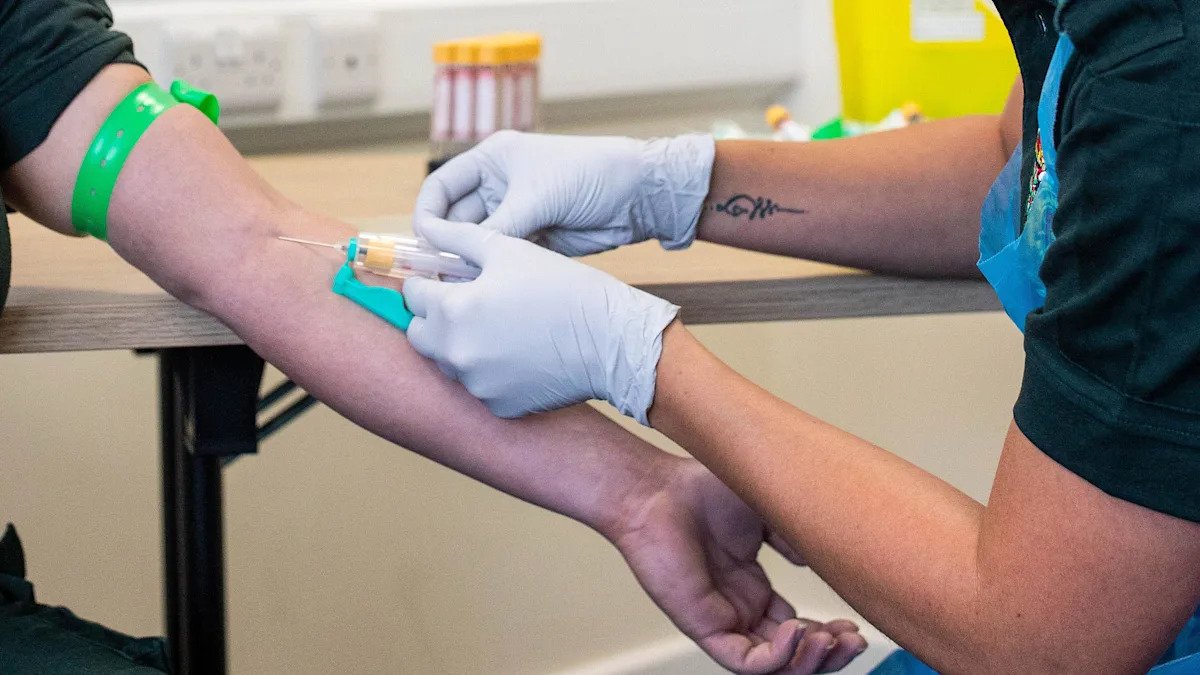
After verifying your identity, a healthcare professional cleans the skin on your arm with an antiseptic solution before inserting a sterile needle into a vein.
A small blood sample is collected into laboratory tubes, labeled carefully, and prepared for analysis.
The procedure usually lasts only a few minutes, and most applicants describe it as a brief pinch rather than a painful experience.
What Happens Inside the Laboratory?
Once the blood sample reaches the laboratory, trained specialists perform a series of quality-controlled analyses according to immigration medical protocols.
Modern laboratories use advanced diagnostic equipment to ensure accurate and reliable testing. Each sample undergoes strict identification procedures to minimize errors and maintain confidentiality throughout the testing process.
After analysis is complete, the results are forwarded to the authorized panel physician responsible for preparing the immigration medical report.
Can Blood Test Results Affect Your Visa Application?
One of the most common concerns among applicants is whether laboratory findings automatically determine visa approval.
The answer is generally no.
A visa blood test represents only one part of a much broader immigration assessment. Medical officers consider laboratory findings alongside physical examination results, chest imaging when required, medical history, and immigration regulations.
If laboratory testing identifies a condition requiring further evaluation, applicants may simply be asked to provide additional medical documentation or complete follow-up investigations.
Each case is reviewed individually according to applicable immigration policies.
Preparing for Your Visa Blood Test:
Simple preparation can help ensure a smooth appointment.
Drink enough water before visiting the medical center, organize your identification documents, wear comfortable clothing with sleeves that can easily be rolled up, and arrive early to complete registration without rushing.
If you take prescription medications or have chronic medical conditions, inform the examining physician before laboratory testing begins.
Following the clinic’s preparation instructions helps prevent unnecessary delays.
Common Misconceptions About Visa Blood Tests
Several myths continue to create unnecessary concern among first-time applicants.
Myth: Every Country Requires the Same Blood Tests
Immigration medical requirements differ considerably between countries. Laboratory investigations depend entirely on official immigration policies.
Myth: A Positive Result Means Automatic Visa Refusal
Additional medical evaluation does not automatically prevent immigration approval. Many health conditions can be treated or managed successfully.
Myth: Blood Collection Is Dangerous
Blood collection is one of the safest and most frequently performed medical procedures worldwide. Qualified healthcare professionals follow strict infection-control protocols throughout the process.
Myth: Fasting Is Always Required
Most visa blood tests do not require fasting unless additional laboratory investigations are scheduled.
Applicants should always follow instructions provided by their authorized medical examination center.
Practical Advice for First-Time Applicants:
Preparing mentally is just as important as preparing physically.
Remember that immigration physicians perform visa medical examinations every day and understand that some applicants may feel nervous.
Take your time during registration, answer all health questions honestly, and avoid withholding information about medications or previous medical conditions.
Good communication between applicants and healthcare professionals contributes to a more accurate medical assessment.
Frequently Asked Questions:
How long does laboratory testing take?
Blood collection generally takes less than ten minutes, while laboratory processing may require several days depending on immigration procedures.
Can I choose my own laboratory?
No. Immigration authorities usually require testing through approved medical examination centers or authorized panel physicians.
Will I receive my blood test report?
Many immigration systems send medical reports directly to immigration authorities, although some clinics may provide copies when permitted.
What if additional testing is requested?
The examining physician will explain the reason and provide guidance regarding any follow-up laboratory investigations or specialist consultations.
Should I be worried about the blood test?
For most applicants, the visa blood test is a straightforward and routine part of the immigration process with no unexpected complications.
Conclusion:
A visa blood Lab tests plays an important role in completing an immigration medical examination by helping healthcare professionals assess specific health conditions relevant to immigration requirements. Although the exact laboratory tests vary according to visa category and destination country, the most common screenings focus on communicable diseases such as syphilis, HIV in applicable cases, and other medically indicated conditions.
Understanding the purpose behind each laboratory investigation helps applicants approach the process with greater confidence and less anxiety. By attending an authorized medical center, following preparation instructions, providing accurate medical information, and cooperating with healthcare professionals, applicants can complete their immigration health assessment efficiently.
Rather than viewing the visa blood test as an obstacle, it should be seen as a routine medical screening that supports both public health and a successful immigration process. With proper preparation and realistic expectations, most applicants complete this stage quickly and continue moving forward with their visa application.