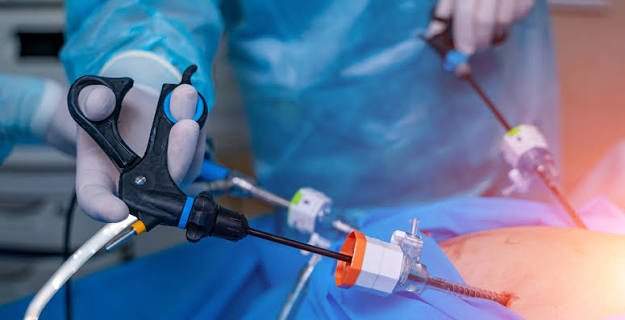
Hormones help regulate appetite, digestion, blood sugar, energy use, and body weight. In people living with obesity, changes in hormonal signals can contribute to increased hunger, reduced feelings of fullness, and insulin resistance. Metabolic Surgeon in Dubai can evaluate whether metabolic surgery may help address these concerns by changing stomach capacity and the way food moves through the digestive system. Procedures such as sleeve gastrectomy and gastric bypass can influence hormones produced by the stomach, intestines, and pancreas. These changes may support appetite control, improve insulin sensitivity, and contribute to better metabolic health. However, hormonal responses differ between individuals and depend on the procedure and overall health.
Understanding the Connection Between Hormones and Obesity
Hormones act as chemical messengers that help different organs communicate. They influence when a person feels hungry, how quickly they feel full, how the body processes glucose, and how energy is stored. Ghrelin, GLP-1, peptide YY, insulin, and leptin are among the hormones involved in these processes. In people with obesity, some hormonal signals may become less effective, making appetite regulation and weight management more challenging. Insulin resistance can also develop, meaning the body’s cells do not respond properly to insulin. Metabolic surgery may influence several of these pathways, helping improve the body’s response to food and energy intake.
How Metabolic Surgery Changes Digestive Hormone Activity
The digestive tract produces hormones that communicate with the brain and other organs to regulate appetite and metabolism. Metabolic surgery changes stomach size or the route food takes through the digestive system. These changes can affect when and how strongly digestive hormones are released after meals. Some procedures may reduce hunger-related signals, while others increase hormones associated with fullness and insulin release. The resulting changes can help patients feel satisfied with smaller portions and may improve blood glucose regulation. The hormonal effects vary according to the operation, so understanding the differences between procedures is important.
The Role of Ghrelin in Hunger Regulation
Ghrelin is often called the hunger hormone because it helps stimulate appetite. It is produced mainly in the stomach, particularly in an area called the fundus, and its levels commonly rise before meals. Sleeve gastrectomy removes a large portion of the stomach, including much of the region responsible for ghrelin production. This may reduce ghrelin levels and hunger in some patients. However, the response is not the same for everyone, and hormone levels can change over time. Gastric bypass can also influence appetite regulation, although its effects on ghrelin differ from those of sleeve gastrectomy.
How GLP-1 Supports Fullness and Blood Sugar Control
Glucagon-like peptide-1, or GLP-1, is released by cells in the intestine after food enters the digestive system. It helps stimulate insulin release when blood glucose is elevated, slows stomach emptying, and contributes to feelings of fullness. Some metabolic procedures, particularly gastric bypass, can increase GLP-1 activity after meals. This may help patients feel satisfied with smaller portions while supporting better blood glucose regulation. Increased GLP-1 activity is one reason metabolic surgery can improve type 2 diabetes in some patients. However, the degree of improvement depends on individual health, pancreatic function, and the procedure performed.
The Importance of Peptide YY in Appetite Control
Peptide YY, also known as PYY, is another hormone released by the intestines after eating. It helps send signals to the brain that reduce appetite and promote fullness. After metabolic surgery, changes in the movement of food through the digestive tract may influence PYY release. Increased activity of this hormone can help patients feel satisfied after smaller meals and support changes in eating habits. However, PYY works alongside other hormones, stomach capacity, and behavioural factors. It does not independently determine how much weight a person loses or whether weight loss will be maintained.
How Metabolic Surgery Influences Insulin Sensitivity
Insulin is a hormone produced by the pancreas that helps glucose move from the bloodstream into the body’s cells. In people with insulin resistance, cells respond less effectively to insulin, making blood sugar harder to control. Metabolic surgery may improve insulin sensitivity through weight reduction, reduced fat accumulation in the liver, and changes in digestive hormone activity. Some patients experience improvements in blood glucose soon after surgery, sometimes before substantial weight loss occurs. The response depends on factors such as diabetes duration, pancreatic function, procedure type, and overall metabolic health. Some patients may still need diabetes medication after surgery.
The Relationship Between Glucagon and Blood Sugar
Glucagon is produced by the pancreas and helps prevent blood glucose levels from falling too low. It signals the liver to release stored glucose into the bloodstream, particularly between meals. Insulin and glucagon work together to maintain blood sugar balance. Metabolic surgery can influence the digestive and hormonal signals involved in this process, potentially improving glucose regulation in selected patients. These changes may be particularly relevant for people with type 2 diabetes. However, the effects are complex, and regular blood glucose monitoring remains important after surgery.
Changes in Leptin and Long-Term Weight Regulation
Leptin is produced mainly by fat cells and communicates information about the body’s energy stores to the brain. People with obesity often have higher leptin levels but may develop reduced sensitivity to its signals, a condition known as leptin resistance. As body fat decreases after metabolic surgery, leptin levels may also decline. This change is part of the body’s response to weight loss and can influence appetite and energy regulation. However, leptin is only one part of a much larger hormonal system. Changes in its levels do not guarantee that weight loss will remain stable without continued nutritional and lifestyle support.
Can Metabolic Surgery Affect Reproductive Hormones?
Weight reduction and improved insulin sensitivity may influence reproductive hormones in some patients. Women with obesity and insulin resistance, particularly those with polycystic ovary syndrome (PCOS), may experience improvements in menstrual regularity and ovulation after significant weight loss. Some men may also experience changes in testosterone levels following weight reduction. These effects vary and are not guaranteed outcomes of metabolic surgery. Patients who may become pregnant should discuss treatment timing with their healthcare team, as pregnancy is generally advised to be postponed during the rapid weight-loss period after surgery.
How Different Procedures Affect Hormonal Balance
Different metabolic procedures produce different hormonal responses. Sleeve gastrectomy reduces stomach size and may lower ghrelin production, while also influencing other appetite-related signals. Gastric bypass creates a smaller stomach pouch and changes the route food takes through the small intestine, which can increase the release of hormones such as GLP-1 and PYY after meals. More complex procedures may produce additional metabolic effects but can also increase the risk of nutritional deficiencies. The surgeon considers the patient’s weight, diabetes status, digestive health, and other medical conditions when discussing the available options.
Can Hormonal Changes Help Reduce Food Cravings?
Some patients notice reduced hunger and improved control over food intake after metabolic surgery. Changes in ghrelin, GLP-1, PYY, and other digestive signals may contribute to these experiences. However, food cravings are influenced by more than hormones. Emotional eating, stress, sleep patterns, personal habits, and environmental triggers can also affect appetite. Surgery does not automatically eliminate cravings or change every eating behaviour. Nutritional counselling and behavioural support can help patients develop healthier routines and manage food-related challenges during long-term recovery.
Hormonal Changes During Recovery
The body’s hormonal responses may change as it adapts to smaller meals and ongoing weight loss. Patients may notice changes in appetite, fullness, digestion, and blood glucose levels during the recovery period. Some effects occur relatively early, while others develop gradually. People with diabetes may need adjustments to their medication because blood glucose can improve after surgery. These changes must be managed by the treating healthcare professional. Patients should not reduce or stop prescribed medication independently, even if their appetite or blood sugar improves.
The Importance of Nutrition and Long-Term Monitoring
Metabolic surgery can influence hormonal activity, but good nutrition and regular medical follow-up remain essential. Patients usually follow a staged eating plan, gradually progressing from liquids to soft foods and then suitable solid meals. Adequate protein, hydration, and balanced food choices help support recovery and preserve muscle mass. Depending on the procedure, lifelong vitamin and mineral supplements may be necessary. Regular blood tests help identify nutritional deficiencies and monitor metabolic health. Working with a dietitian and healthcare team can also help patients adjust to changes in appetite and digestion.
Conclusion
Metabolic surgery can influence hormones involved in hunger, fullness, digestion, and blood glucose regulation. Changes in ghrelin, GLP-1, peptide YY, insulin sensitivity, and leptin may help some patients manage appetite and improve metabolic health. The effects differ between procedures and individuals, and surgery does not guarantee permanent weight loss or correct every hormonal condition. Careful procedure selection, nutritional support, healthy lifestyle habits, and regular follow-up are important for maintaining long-term results.
Frequently Asked Questions
Does Metabolic Surgery Change Hunger Hormones?
Yes. Metabolic surgery can influence hormones involved in appetite regulation. Sleeve gastrectomy may reduce ghrelin production, while procedures such as gastric bypass can increase the release of fullness-related hormones after meals. The extent of these changes varies between patients.
Which Hormones Are Affected by Metabolic Surgery?
Hormones that may be affected include ghrelin, GLP-1, peptide YY, insulin, glucagon, and leptin. Their responses depend on the type of procedure, the patient’s metabolic condition, and changes in body weight.
Can Metabolic Surgery Improve Insulin Resistance?
Yes. Weight reduction and changes in digestive hormone activity may improve the body’s response to insulin. Some patients experience better blood glucose control after surgery, although others continue to need medication and regular diabetes monitoring.
Does Sleeve Gastrectomy Reduce Ghrelin?
Sleeve gastrectomy removes much of the stomach region responsible for producing ghrelin. This may reduce hunger signals in some patients. However, hormone levels can change over time, and appetite responses differ from person to person.
Can Metabolic Surgery Affect PCOS?
Significant weight loss and improved insulin sensitivity may help some women with PCOS experience more regular menstrual cycles and changes in reproductive hormone activity. However, metabolic surgery is not a specific treatment for PCOS, and individual results vary.
Can Hormonal Changes Prevent Weight Regain?
Hormonal changes may help regulate hunger and fullness, but they cannot guarantee that weight will not return. Eating habits, physical activity, sleep, stress, and long-term medical follow-up also influence weight management.
How Soon Do Hormonal Changes Occur After Metabolic Surgery?
Some hormonal changes can occur soon after surgery, while others develop gradually during weight loss. The timing depends on the procedure and individual response. Blood glucose may improve relatively early in some patients.
Is Hormone Monitoring Necessary After Metabolic Surgery?
Doctors may monitor blood glucose, nutritional markers, and other relevant health indicators during follow-up. Specific hormone tests are recommended when symptoms or medical history indicate a need. Regular appointments help the healthcare team assess recovery and long-term metabolic health.