Precision machining is the backbone of modern manufacturing. Every threaded component used in industrial equipment must meet strict dimensional standards to ensure safe assembly, reliable performance, and long service life. From heavy machinery and automation systems to power transmission equipment and manufacturing tools, accurately produced internal threads contribute significantly to operational efficiency.
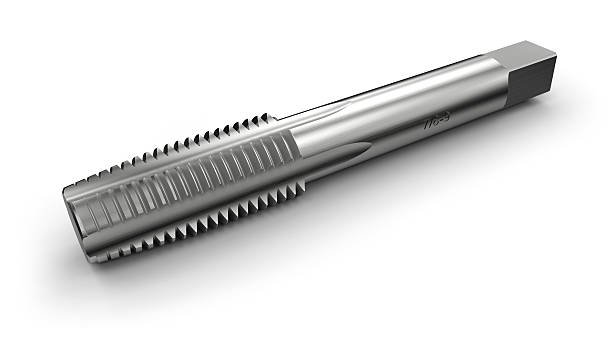
Among the many tools used in thread production, the Acme Tap stands out for its ability to create high-quality ACME internal threads that perform reliably under demanding conditions. When paired with proper machining techniques and quality materials, this specialized threading tool helps manufacturers improve thread accuracy, reduce production errors, and increase overall machining efficiency.
This article explores how ACME threading technology enhances industrial manufacturing and why selecting precision-engineered tools can make a measurable difference in production quality.
The Importance of Thread Accuracy in Industrial Manufacturing
Industrial machinery depends on threaded components that fit together perfectly. Any deviation in thread dimensions can lead to assembly problems, excessive wear, vibration, or equipment failure. Since many industrial systems operate under continuous loads, thread quality directly influences reliability and maintenance costs.
Accurate threading provides several important advantages, including:
- Better load distribution
- Smooth mechanical movement
- Secure component engagement
- Reduced friction
- Longer equipment lifespan
- Improved operational safety
- Consistent assembly quality
Manufacturers therefore place significant emphasis on selecting high-quality threading tools capable of delivering repeatable results throughout production.
Understanding ACME Thread Design
ACME threads are easily recognized by their trapezoidal profile. Compared with traditional V-shaped threads, ACME threads offer greater strength and improved efficiency in applications involving motion and power transmission.
Their broad thread surfaces reduce stress concentration while allowing smoother engagement between mating components.
Common applications include:
- Lead screws
- Linear motion systems
- Industrial presses
- CNC machinery
- Valve actuators
- Material handling equipment
- Packaging machinery
- Hydraulic lifting systems
Because these components often experience continuous movement and heavy loads, maintaining accurate thread geometry is essential for long-term reliability.
How Quality Threading Improves Industrial Performance
The threading process influences far more than appearance. Properly manufactured threads contribute to overall machine performance by ensuring components work together exactly as designed.
Benefits include:
Improved Load Capacity
Precisely machined threads distribute mechanical loads evenly across the thread profile. This minimizes localized stress and extends component life.
Reduced Friction
Smooth thread surfaces reduce friction during operation, improving efficiency while lowering wear on both threaded components.
Better Mechanical Alignment
Accurate threads improve alignment between mating parts, reducing vibration and increasing machine stability.
Enhanced Durability
High-quality threads resist deformation, allowing machinery to operate effectively even under demanding industrial conditions.
The Role of Precision Threading Tools
Industrial threading requires tools capable of maintaining consistent dimensional accuracy over extended production cycles.
A premium-quality Acme Tap enables manufacturers to produce threads that meet engineering specifications while minimizing dimensional variation between components.
Reliable threading tools help achieve:
- Uniform thread profiles
- Accurate pitch dimensions
- Consistent thread depth
- Improved surface finish
- Repeatable production quality
These improvements reduce scrap rates while supporting efficient manufacturing operations.
Increasing Machining Efficiency
Modern production facilities focus heavily on maximizing productivity without sacrificing quality.
Using precision threading tools contributes directly to improved machining efficiency in several ways.
Faster Production Cycles
Well-designed cutting geometry allows smoother material removal, reducing machining time while maintaining dimensional accuracy.
Lower Tool Wear
High-quality materials and advanced manufacturing processes extend tool life, reducing replacement frequency and lowering production costs.
Reduced Machine Downtime
Durable threading tools require fewer interruptions for maintenance or replacement, helping manufacturers maintain consistent production schedules.
Improved Process Stability
Stable cutting performance produces predictable machining results, making quality control easier throughout the manufacturing process.
Material Compatibility Matters
Different materials respond differently during machining. Selecting the proper cutting tool for the workpiece material significantly affects thread quality.
Industrial manufacturers commonly machine:
- Carbon steel
- Alloy steel
- Stainless steel
- Brass
- Bronze
- Cast iron
- Aluminum
- Engineering plastics
Each material requires appropriate cutting speeds, lubrication, and machining parameters to achieve optimal results.
Matching tooling characteristics with material properties improves both productivity and finished thread quality.
Factors That Influence Thread Quality
Several machining variables contribute to successful thread production.
Proper Machine Setup
Machine rigidity plays a major role in thread consistency. Stable workholding minimizes vibration while improving dimensional accuracy.
Correct Cutting Parameters
Appropriate spindle speed, feed rate, and coolant application reduce cutting forces and improve surface finish.
Effective Chip Removal
Efficient chip evacuation prevents chip buildup, reducing tool wear and protecting thread quality.
Regular Tool Inspection
Monitoring cutting edge condition helps maintain consistent machining performance throughout production.
Together, these practices create reliable, repeatable threading operations.
Supporting Quality Control
Quality inspection remains an essential part of every industrial manufacturing process.
Manufacturers typically verify:
- Thread pitch
- Major diameter
- Minor diameter
- Thread depth
- Surface finish
- Dimensional tolerances
Routine inspection ensures every threaded component meets design specifications before final assembly.
Consistent quality control reduces customer complaints while protecting equipment performance.
Selecting a Reliable Tool Supplier
Choosing a trusted tooling supplier is equally important as selecting the correct machining process.
Experienced manufacturers understand industrial production requirements and produce tools designed for accuracy, durability, and repeatability.
Gaugestools has built a reputation for delivering precision threading solutions that support industries requiring dependable machining performance. By supplying high-quality tools engineered for demanding manufacturing environments, Gaugestools helps customers improve productivity while maintaining strict quality standards.
Working with an experienced supplier also provides access to technical expertise, consistent manufacturing quality, and dependable product availability.
Long-Term Value Through Proper Maintenance
Even premium cutting tools perform best when properly maintained.
Recommended practices include:
- Cleaning after each use
- Proper storage to prevent damage
- Using recommended cutting fluids
- Monitoring wear regularly
- Replacing worn tools before performance declines
- Following manufacturer machining recommendations
Routine maintenance not only extends tool life but also helps maintain consistent thread accuracy over time.
Building More Efficient Manufacturing Operations
Industrial manufacturers continuously seek ways to improve productivity while maintaining exceptional quality. Precision threading remains one of the most important factors influencing machine performance, product reliability, and customer satisfaction.
Using the right Acme Tap helps manufacturers produce stronger, smoother, and more accurate ACME threads while reducing machining errors and increasing operational efficiency. Reliable threading tools support consistent production, minimize downtime, and improve overall manufacturing performance.
For businesses looking to strengthen their machining capabilities, investing in premium tooling delivers long-term value through improved quality and reduced operating costs. Gaugestools continues to support manufacturers worldwide by providing precision-engineered threading solutions designed for demanding industrial applications. Whether producing individual components or managing high-volume production, selecting dependable tools from Gaugestools helps ensure consistent machining results and reliable product performance for years to come.
Frequently Asked Questions
1. What is an ACME thread?
An ACME thread is a trapezoidal thread form commonly used in lead screws, motion control systems, industrial machinery, and power transmission applications because of its strength and durability.
2. Why is thread quality important in industrial operations?
Accurate threads improve component fit, reduce wear, enhance load distribution, and increase the reliability and lifespan of industrial equipment.
3. Which industries commonly use ACME threads?
Industries such as automotive, aerospace, heavy equipment, manufacturing, automation, packaging, and material handling frequently use ACME threaded components.
4. How does proper tool maintenance improve machining efficiency?
Regular cleaning, inspection, lubrication, and timely replacement help maintain cutting performance, reduce downtime, and ensure consistent thread quality.
5. Why choose Gaugestools for industrial threading solutions?
Gaugestools offers precision-engineered threading products designed to deliver consistent accuracy, dependable performance, and long-term reliability for demanding industrial manufacturing applications.