
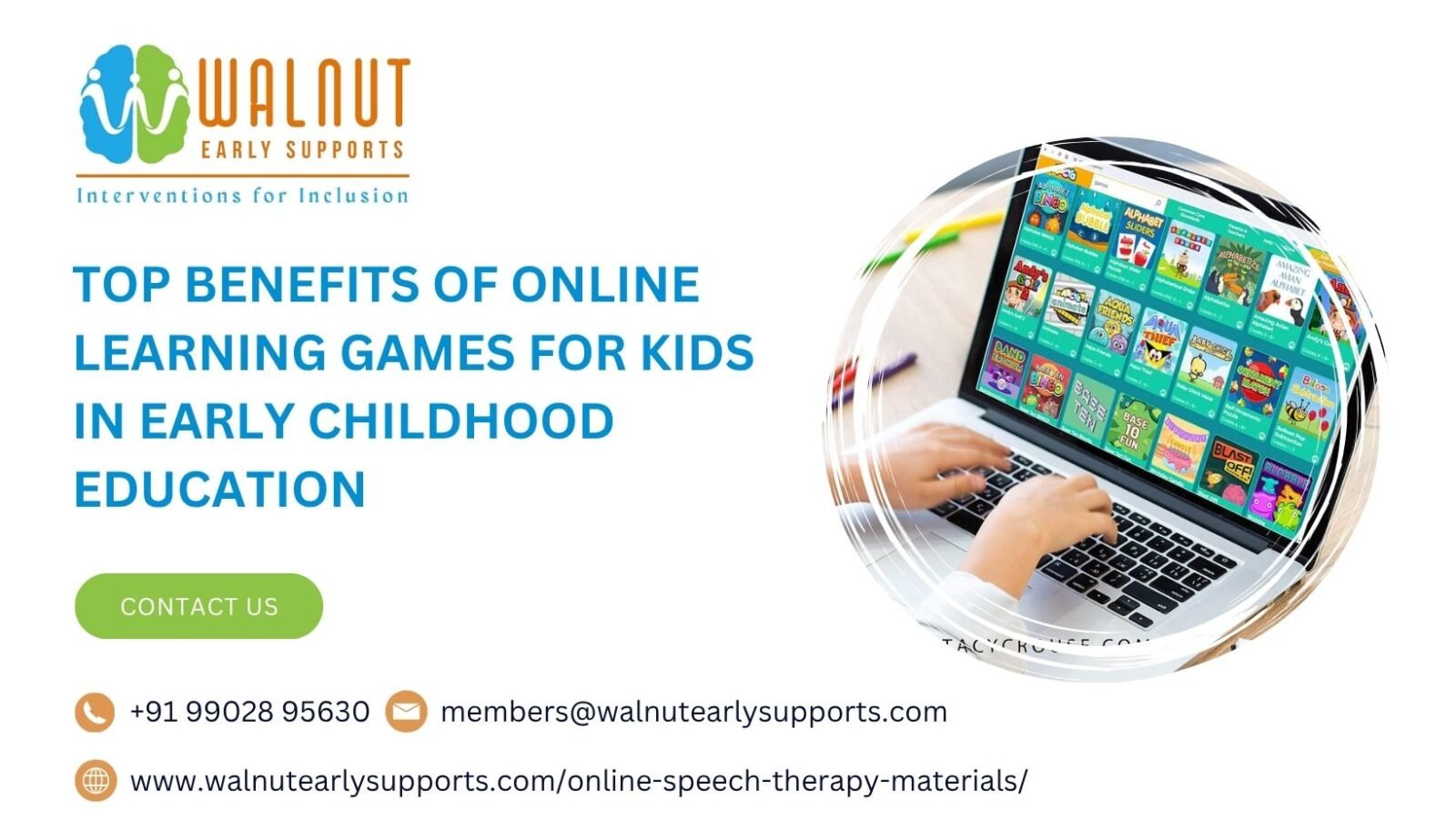
Early childhood is a time when children learn through curiosity, exploration, and play. The experiences they have during these years shape their language, thinking, social skills, and confidence. Today, technology has made learning more engaging by offering educational activities that children can enjoy from home or school. Online Learning Games for Kids have become a valuable tool because they combine fun with meaningful learning experiences.
When chosen carefully, these games encourage children to practice important skills while staying motivated. They are especially useful for parents, teachers, and therapists who want to make learning enjoyable without adding pressure.
Why Early Childhood Learning Matters
The first few years of life are crucial for brain development. Children build the foundation for communication, problem-solving, reading, and emotional understanding during this stage. Activities that encourage active participation help children learn faster than passive methods.
Interactive educational games provide opportunities for children to listen, think, respond, and practice repeatedly. This repetition strengthens learning while keeping children interested. Instead of simply memorizing information, children understand concepts by experiencing them through play.
1. Makes Learning Fun and Engaging
One of the biggest advantages of Online Learning Games for Kids is that they transform learning into an enjoyable experience. Bright visuals, rewards, sounds, and interactive challenges keep children engaged for longer periods.
Young learners are naturally curious. When educational activities feel like games rather than lessons, children are more willing to participate and complete tasks. This positive attitude toward learning often continues into the classroom.
2. Supports Language and Communication Skills
Language development begins early, and children need regular opportunities to hear, understand, and use new words. Interactive games encourage listening, following instructions, answering questions, and expanding vocabulary.
For children who require additional communication support, carefully designed online speech therapy games can provide enjoyable practice between therapy sessions. These activities allow children to reinforce speech and language skills in a relaxed environment while maintaining their interest.
3. Builds Cognitive Skills
Learning games help children develop essential thinking abilities. Many activities require children to recognize patterns, remember information, solve puzzles, and make decisions.
These experiences strengthen important cognitive skills such as:
- Memory
- Attention
- Logical thinking
- Problem-solving
- Visual perception
Developing these abilities during early childhood prepares children for future academic success.
4. Encourages Independent Learning
Children enjoy completing challenges on their own. Interactive educational games often provide immediate feedback, allowing children to understand their mistakes and try again without frustration.
This independent learning builds confidence and encourages children to explore new concepts at their own pace. Parents and teachers can still provide guidance while allowing children to take ownership of their learning journey.
5. Improves School Readiness
School readiness involves much more than recognizing letters and numbers. Children also need listening skills, concentration, emotional regulation, and the ability to follow instructions.
Online Learning Games for Kids support these areas through activities that encourage sequencing, matching, storytelling, early literacy, counting, and everyday problem-solving. These experiences make the transition into formal education smoother and less overwhelming.
6. Supports Different Learning Styles
Every child learns differently. Some children learn best by seeing pictures, while others respond better to sounds, movement, or hands-on activities.
Digital learning games often combine visual, auditory, and interactive elements within a single activity. This flexibility helps children stay engaged while making learning accessible for different abilities and learning preferences.
Professionals may also recommend structured online speech therapy materials that complement therapy goals by providing additional opportunities to practice communication skills at home or in educational settings.
7. Encourages Positive Parent and Teacher Involvement
Learning games create opportunities for adults to participate in children’s education. Parents can play together with their child, discuss answers, celebrate achievements, and encourage curiosity.
Teachers and therapists can also use educational games to reinforce classroom lessons or therapy goals. Shared learning experiences strengthen relationships while supporting children’s overall development.
Choosing High-Quality Learning Games
Not every educational game offers the same value. Parents and educators should look for activities that are age-appropriate, easy to understand, and focused on meaningful learning outcomes rather than entertainment alone.
High-quality games should encourage active thinking, provide clear instructions, avoid unnecessary distractions, and support gradual skill development. They should also balance screen time with real-world activities such as reading, conversation, outdoor play, and creative exploration.
Educational platforms like Walnut Early Supports provide carefully designed therapy and learning resources that help children develop communication, language, literacy, cognition, and social skills through structured, engaging activities suitable for home, school, and therapy environments.
Conclusion
Technology has become an important part of modern education, but its greatest value comes from how it is used. Online Learning Games for Kids offer an engaging way to build communication, thinking, literacy, and problem-solving skills during the most important years of development. When combined with guidance from parents, teachers, and therapists, these games create meaningful learning experiences that prepare children for lifelong success.
The best educational games are those that inspire curiosity, encourage active participation, and make every learning moment enjoyable. By selecting high-quality resources and maintaining a healthy balance between digital and real-world experiences, families can support children’s growth while making learning something they genuinely look forward to.