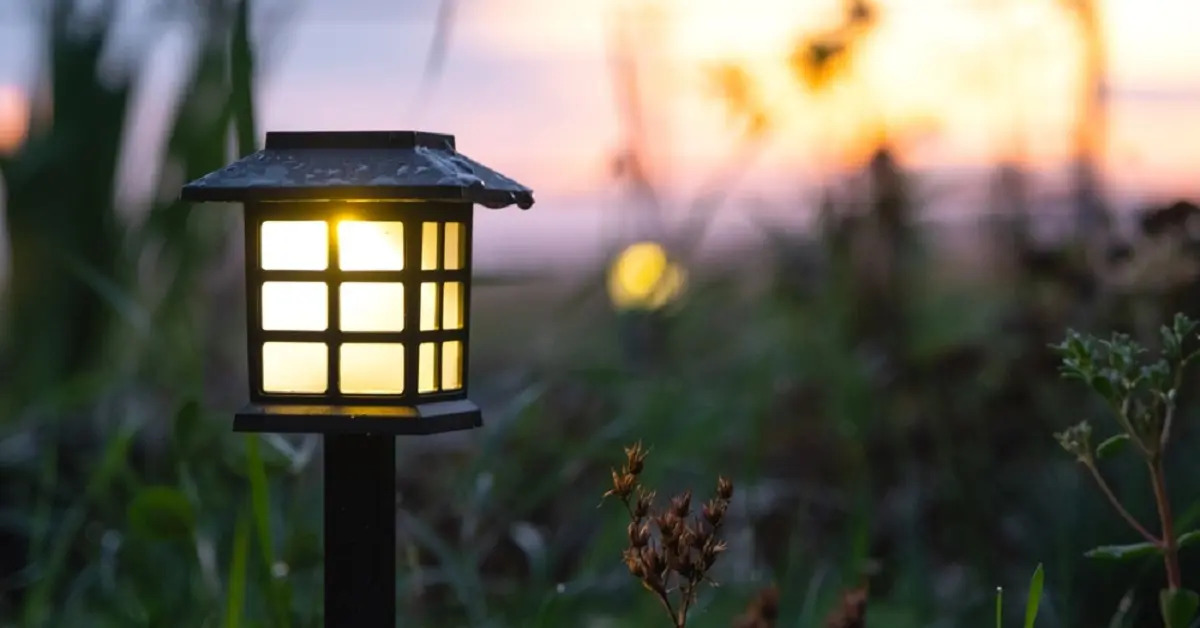
Solar garden lights offer a simple way to illuminate pathways, highlight plantings, and add ambiance without running electrical wires. But after a season or two, many homeowners notice their once-bright lights barely glow by midnight. Understanding why this happens helps you restore performance or know when replacement makes more sense than repair.
How Solar Lights Work
A solar light contains four main components: a photovoltaic panel, a rechargeable battery, an LED bulb, and a light sensor. During the day, the panel converts sunlight into electricity that charges the battery. At dusk, the sensor triggers the LED to turn on and draw power from the stored charge.
This cycle repeats daily with no input from you. But each component has a lifespan and failure points that affect brightness over time.
The Battery Problem
Rechargeable batteries lose capacity with every charge cycle. A battery rated for 500 cycles will hold less power after its 400th cycle than it did after its 50th. For solar garden lights running nightly, this degradation becomes noticeable within one to three years, depending on battery quality.
Symptoms of a failing battery include lights that turn on at dusk but fade within a few hours, or lights that no longer reach full brightness even after sunny days. The panel still generates power, but the battery cannot store enough to last the night.
Fortunately, many solar lights use standard rechargeable batteries that you can replace. AA and AAA NiMH batteries are common in smaller stake lights. Remove the old batteries, note the milliamp-hour rating, and replace them with fresh cells of equal or higher capacity.
Panel Contamination
The solar panel needs direct sunlight to charge effectively. Over time, dust, pollen, bird droppings, and hard water deposits build up on the panel surface. Even a thin film reduces charging efficiency significantly.
Clean panels monthly during the growing season using a soft cloth and plain water. For stubborn residue, a small amount of dish soap helps. Avoid abrasive scrubbers that could scratch the panel surface and cause permanent damage.
If your garden lights sit beneath trees or shrubs that have grown since installation, the canopy may now shade the panels during peak sun hours. Relocating the lights to a sunnier spot often restores performance without any repairs.
LED Degradation
LED bulbs last far longer than incandescent or fluorescent alternatives, but they do dim gradually over tens of thousands of hours. Cheap LEDs degrade faster than quality components. If your lights are several years old and the batteries are new, the LED itself may be reaching the end of its life.
Replacing LEDs requires soldering in most cases, which puts this fix beyond casual DIY territory. At that point, replacing the entire light unit usually makes more sense economically unless the fixture has sentimental or aesthetic value worth preserving.
Sensor and Circuit Issues
The light sensor that triggers nighttime operation can fail or become confused. Nearby porch lights, streetlights, or reflective surfaces sometimes create enough ambient light to keep the sensor from activating the LED. Check placement to confirm the sensor has clear exposure to darkening skies.
Moisture intrusion causes circuit problems in cheaper lights that lack proper weatherproofing. Corroded connections or damaged circuit boards result in intermittent operation or total failure. Opening the light housing and inspecting for visible corrosion reveals whether this is your issue.
When to Replace vs. Repair
Simple fixes like battery replacement and panel cleaning cost little and take minutes. Try these first whenever garden lights start dimming.
If fresh batteries and clean panels do not restore brightness, evaluate the cost and availability of replacement parts against the price of new lights. Budget solar lights often cost less than the components needed to repair them. Higher-end fixtures with replaceable modules may justify continued investment.
Extending Solar Light Lifespan
Position lights where panels receive at least six hours of direct sunlight daily. More sun means fuller charges and less strain on the battery.
Bring lights indoors during extended cloudy periods in winter if you live in a region with weak winter sun. Batteries that sit depleted for weeks degrade faster than those kept topped off.
Choose lights with quality batteries from the start, or plan to upgrade the stock batteries immediately after purchase. Manufacturer-included batteries often represent the cheapest component in the unit.