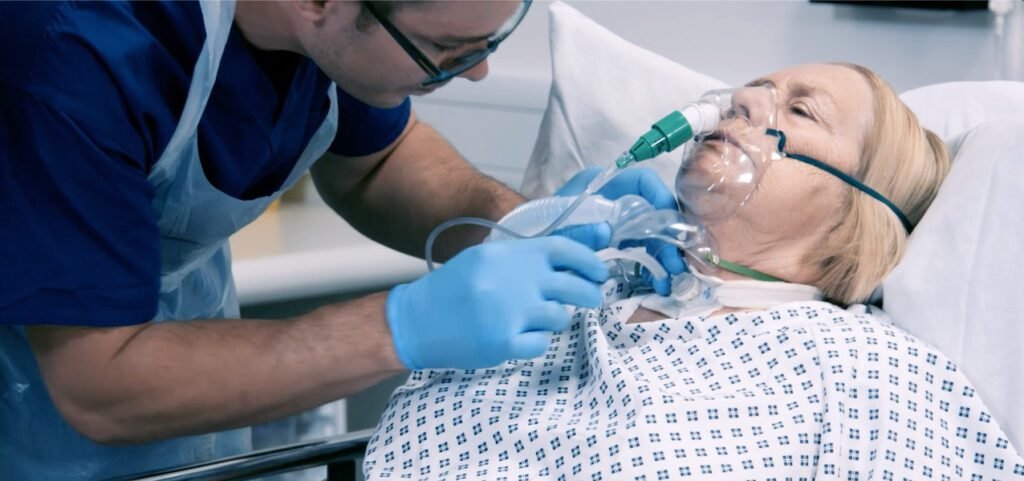
Recognizing early warning signs of complications is an important part of safe tracheostomy management. With professional Tracheostomy care at home Dubai, patients and caregivers can receive appropriate support while maintaining comfort and airway safety in a familiar environment. A Doctor at Home can also provide medical guidance when concerns arise. Understanding what changes to watch for can help caregivers respond promptly and reduce the risk of serious problems.
Why Early Recognition of Tracheostomy Complications Matters:
A tracheostomy provides an alternative airway through an opening in the neck, but it requires regular monitoring and careful care. Complications can sometimes develop gradually, while others may appear suddenly. Early recognition allows caregivers to seek professional assistance before a minor concern becomes an emergency. Changes in breathing, secretions, the tracheostomy tube, or the skin around the opening should never be ignored. Regular observation is particularly important for patients who have difficulty communicating discomfort or changes in their condition.
Changes in Breathing to Watch For:
Breathing changes are among the most important warning signs of a possible tracheostomy complication. A blocked or displaced tube can interfere with airflow and may cause the patient to work harder to breathe. Caregivers should pay attention to changes that are different from the patient’s normal breathing pattern. Warning signs may include:
- Increased breathing rate or effort
- Noisy or unusual breathing sounds
- Shortness of breath
- Difficulty speaking when the patient normally can
- Chest discomfort or visible distress
- A sudden drop in oxygen levels if monitoring equipment is being used
Any significant or sudden breathing difficulty should be treated seriously and requires prompt medical assessment.
Increased or Changed Tracheostomy Secretions:
Secretions are common in people with tracheostomies because the airway no longer receives the same natural warming and humidification that occurs through the nose and mouth. However, changes in mucus can indicate a developing problem. Thick, sticky, excessive, foul-smelling, yellow, green, or blood-stained secretions may require professional evaluation, particularly when accompanied by fever, coughing, breathing difficulty, or weakness. Caregivers should observe both the amount and appearance of secretions and follow the patient’s prescribed suctioning and humidification routine rather than attempting unfamiliar techniques.
Signs of a Blocked Tracheostomy Tube:
A mucus plug or other obstruction can partially or completely block the tracheostomy tube and interfere with breathing. Early signs may include increased coughing, noisy breathing, difficulty passing a suction catheter when normally possible, or increased respiratory effort. The patient may also appear restless, anxious, or unusually tired. Caregivers should follow the emergency and airway-care instructions provided by the healthcare team. If the patient develops severe breathing difficulty, becomes unresponsive, or shows signs of inadequate oxygenation, emergency medical assistance should be sought immediately.
Redness and Skin Changes Around the Stoma:
The skin surrounding the tracheostomy opening, known as the stoma, should be checked regularly. Mild irritation can occur, but increasing redness, swelling, warmth, tenderness, bleeding, discharge, or an unpleasant odor may indicate irritation or infection. Moisture and secretions that remain against the skin can contribute to breakdown. Keeping the area clean and dry according to professional instructions can help protect the skin. Caregivers should report persistent or worsening changes rather than applying creams, antiseptics, or other products unless they have been recommended by a healthcare professional.
Bleeding and Unusual Discharge:
Small amounts of blood may occasionally appear after irritation or during certain tracheostomy-care procedures, but unexplained, persistent, or increasing bleeding should not be overlooked. Fresh blood, repeated bleeding, or a significant amount of blood around the tube may require urgent assessment. Similarly, pus-like discharge or an unpleasant-smelling fluid from the stoma can suggest infection. Caregivers should avoid delaying medical advice when bleeding or abnormal discharge appears, especially if it occurs together with breathing changes, fever, or reduced alertness.
Signs of Infection:
A tracheostomy site can become vulnerable to infection if bacteria enter damaged or irritated tissue. Caregivers should monitor for a combination of local and general symptoms. Possible warning signs include:
- Increasing redness or swelling
- Warmth around the stoma
- New or worsening tenderness
- Pus-like drainage
- Unpleasant odor
- Fever or chills
- Increased coughing or respiratory discomfort
- Unusual tiredness or weakness
Not every symptom means an infection is present, but a combination of changes should prompt contact with the patient’s healthcare provider for appropriate assessment and treatment.
Problems With the Tracheostomy Tube:
The position and condition of the tracheostomy tube are important for maintaining a secure airway. Caregivers should be alert to changes such as a tube that appears loose, displaced, damaged, or different from its usual position. Accidental removal can be particularly concerning because the airway opening can begin to narrow or close depending on how long the tracheostomy has been present. Tube changes, replacements, and adjustments should be performed only by appropriately trained professionals according to the patient’s care plan. Never force a tube into position if resistance or an unexpected problem occurs.
Difficulty With Suctioning:
Suctioning may be part of a patient’s prescribed tracheostomy-care routine, particularly when they cannot effectively clear secretions themselves. Difficulty passing the suction catheter, unexpectedly reduced secretions despite signs of obstruction, or a sudden change in the patient’s response to suctioning can indicate a problem. Caregivers should use the technique and equipment recommended by the healthcare team. Repeated or forceful suctioning without proper guidance can irritate the airway and may cause injury, so professional instructions should always be followed.
How Caregivers Can Monitor for Warning Signs:
Consistent observation makes it easier to recognize changes from the patient’s normal condition. A simple daily monitoring routine can help caregivers notice problems earlier. Important observations can include:
- Breathing pattern and respiratory effort
- Oxygen readings when prescribed
- Amount, color, and thickness of secretions
- Stoma appearance and skin condition
- Temperature when illness is suspected
- Tracheostomy tube position and security
- Coughing frequency and effectiveness
- Patient comfort, alertness, and behavior
Keeping a written record can also help healthcare professionals understand when a change began and whether it is getting better or worse.
When to Seek Immediate Medical Help:
Some tracheostomy complications can become emergencies. Severe difficulty breathing, major bleeding, complete tube obstruction, accidental tube removal with breathing problems, severe oxygen desaturation, loss of consciousness, or rapidly worsening symptoms require immediate emergency medical attention. Caregivers should know the patient’s emergency plan before a crisis occurs and keep essential tracheostomy supplies accessible. Professional Doctor at Home support may be useful for appropriate non-emergency concerns, but emergency symptoms should never be managed by waiting for a routine home visit.
The Role of Professional Tracheostomy Care at Home:
Professional home healthcare can provide valuable support for patients who require ongoing tracheostomy management. Trained nurses can help monitor the airway, provide prescribed care, identify changes in the stoma, support secretion management, and educate family caregivers. Regular professional assessment can also make it easier to identify subtle changes before they become more serious. Families should choose qualified healthcare professionals and ensure that the care plan is based on the patient’s individual medical needs and instructions from their treating team.
Final Thoughts:
Identifying early warning signs of tracheostomy complications is an essential part of maintaining airway safety and patient comfort. Changes in breathing, secretions, skin appearance, bleeding, tube position, or general health should be monitored carefully. Caregivers should follow the patient’s individualized care plan and seek professional advice whenever something appears unusual or worsens. With attentive monitoring and appropriate Tracheostomy care at home Dubai, patients can receive consistent support while reducing avoidable risks and promoting safer long-term tracheostomy management.