Patients can compare wart removal prices by reviewing the services included in each quotation, the removal method offered, the number of sessions required, and the qualifications of the healthcare professional. The lowest advertised fee does not always represent the best overall value because some providers charge separately for consultations, aftercare, or repeat treatments. People researching treatment expenses can explore سعر إزالة الثآليل في دبي to understand the factors that influence the total cost. Comparing itemised estimates helps patients make informed decisions while considering treatment suitability, safety, and expected recovery.
What Factors Should Patients Compare When Reviewing Wart Removal Prices?
Before selecting a provider, patients should understand why quotations can differ. Several factors influence the overall expense.
Type and Number of Warts:
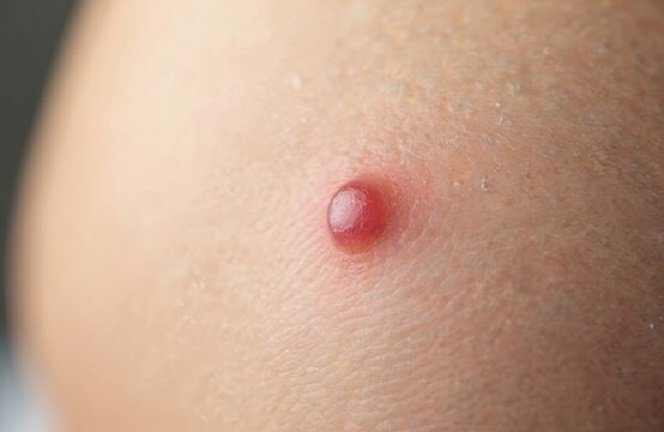
The cost of wart removal often depends on the type, size, and number of lesions. A single small wart may require a straightforward procedure, whereas multiple or persistent warts may need additional treatment.
Plantar warts, which develop on the soles of the feet, can be particularly difficult to treat because pressure and thickened skin may affect their management. Warts on the face or other sensitive areas may require more precise treatment.
When comparing quotations, ask whether the fee applies to one wart, a group of warts, or a complete treatment area.
Removal Method:
Different removal methods involve different equipment, treatment requirements, and recovery considerations.
-
Cryotherapy: Uses extreme cold to destroy wart tissue and may require repeat sessions.
-
Laser treatment: Uses concentrated energy to target selected wart tissue and may be considered for certain persistent lesions.
-
Electrosurgery: Uses electrical energy to destroy tissue and may require local anaesthesia.
-
Surgical removal: Physically removes the lesion using an appropriate technique.
-
Topical treatment: Uses suitable products that may need consistent application over several weeks.
Ask why a particular method has been recommended and whether another suitable option is available. A more expensive procedure is not automatically more effective for every type of wart.
How Can Patients Compare What Is Included in Each Quotation?
Two providers may advertise different prices while offering different services. Reviewing the details helps you compare the actual cost of treatment.
Consultation Fees:
Some providers include the initial consultation in the procedure fee, while others charge separately. The consultation is important because the practitioner needs to assess the lesion and confirm whether it is a wart before recommending removal.
Ask whether the consultation fee is included or credited toward the treatment if you proceed.
Anaesthesia and Treatment Supplies:
Depending on the procedure, local anaesthesia, sterile instruments, protective equipment, or wound-care materials may be needed.
Confirm whether these items are included in the quotation or billed separately. This is especially important when comparing surgical removal with less invasive treatment methods.
Follow-Up Appointments:
Some warts need several treatment sessions, and follow-up visits may be required to assess healing or determine whether additional treatment is appropriate.
Ask how many sessions are anticipated, what each additional session may cost, and whether a review appointment is included in the initial fee.
Medication and Aftercare:
Basic aftercare instructions may be included, but prescription medicines, dressings, or additional wound-care visits may involve separate charges.
Clarify these details before accepting a quotation so that your budget accounts for potential expenses beyond the main procedure.
How Can Patients Evaluate the Quality of a Wart Removal Provider?
Price is only one part of the decision. Patients should also consider the quality and safety of the proposed treatment.
Check Qualifications and Experience:
Choose a properly qualified healthcare professional who can assess skin lesions and perform the recommended procedure safely. Experience with the specific removal method may be particularly relevant for persistent warts or lesions in sensitive locations.
Patients should feel comfortable asking about professional credentials, treatment experience, and how complications are managed.
Assess Hygiene and Clinical Standards:
Procedures should be performed in an appropriate clinical setting with suitable infection-control practices. Ask how the treatment area is prepared, what aftercare is required, and whom to contact if problems develop.
Avoid providers who dismiss concerns about infection, scarring, or other possible complications.
Look for Transparent Communication:
A reliable provider should explain the diagnosis, recommended treatment, expected recovery, possible side effects, and total estimated expenses.
Be cautious of guaranteed results, unexplained charges, high-pressure sales tactics, or claims that one removal method is always best for every patient.
How Can Patients Estimate the Total Cost Before Treatment?
A useful comparison should consider the full treatment plan rather than the initial advertised fee.
Use this simple checklist when requesting quotations:
-
Initial consultation and assessment
-
Main removal procedure
-
Anaesthesia and treatment supplies, if needed
-
Expected number of sessions
-
Follow-up appointments
-
Medication and aftercare products
-
Additional diagnostic testing, if indicated
The estimated total should include all confirmed charges and clearly identify expenses that may arise later. Do not count services twice if they are already included in a package.
If a provider cannot give an exact total before examining the wart, ask for an explanation of the likely cost range and the circumstances that could change the estimate.
Is the Cheapest Wart Removal Option the Best Choice?
Not necessarily. A lower initial fee may be attractive, but the treatment may require multiple sessions or may not be appropriate for the particular lesion.
Professional assessment is especially important if a wart is painful, bleeding, growing quickly, changing in appearance, or difficult to identify. Some skin growths resemble warts but need a different diagnosis and treatment.
Avoid attempting to cut or burn lesions yourself or applying unsuitable chemicals. These actions can cause infection, scarring, and damage to surrounding skin.
The best choice balances reasonable expenses with an accurate diagnosis, suitable treatment, appropriate professional qualifications, and reliable aftercare.
Frequently Asked Questions:
Why do wart removal prices vary between providers?
Prices may differ because of the removal method, number and size of warts, consultation arrangements, equipment, practitioner expertise, and follow-up requirements.
Should patients compare prices for the same treatment method?
Yes, when possible. Comparing similar procedures makes it easier to understand price differences. However, the treatment method must also be suitable for the individual wart.
Are follow-up sessions included in wart removal packages?
Not always. Some providers include a specified number of sessions or review appointments, while others charge separately. Check the package terms before booking.
Can patients request an itemised quotation?
Yes. An itemised quotation is a practical way to understand the consultation fee, procedure charge, aftercare costs, and possible additional expenses.
What matters more: price or provider qualifications?
Both matter, but safety and appropriate treatment should take priority. A reasonable fee is valuable only when the provider offers suitable care and explains the risks and limitations clearly.
Conclusion:
Patients can compare wart removal prices effectively by reviewing treatment methods, consultation fees, included services, follow-up requirements, and practitioner qualifications. An itemised quotation provides a clearer picture of the total expected expense than an advertised starting price alone. By considering both cost and clinical suitability, patients can make a more informed decision and choose an appropriate treatment plan with realistic expectations.