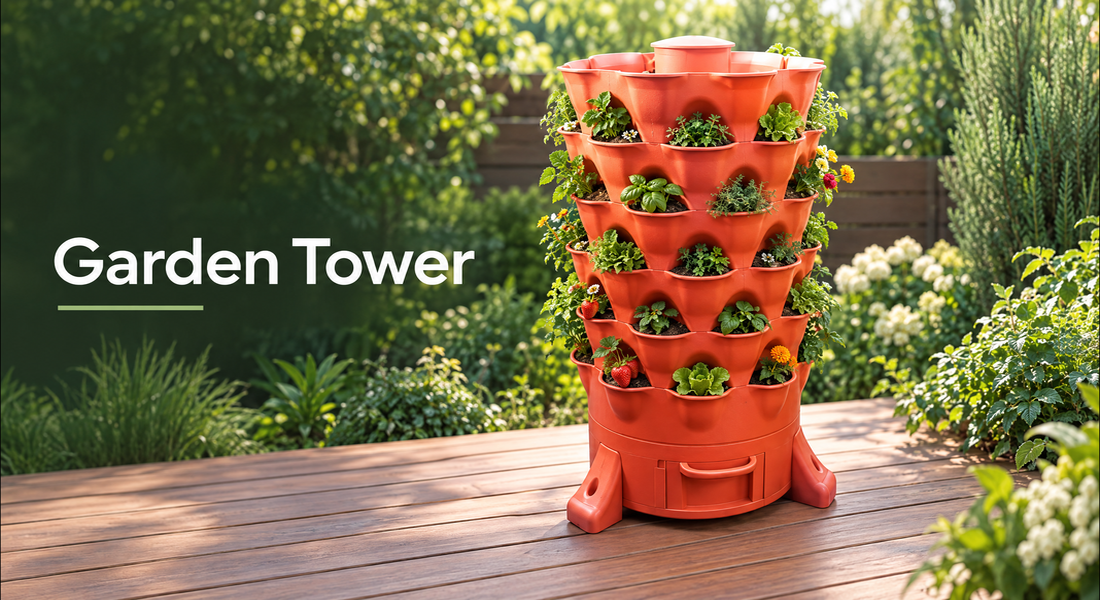
Transplanting seedlings at the right time helps young plants adjust to a new growing environment and develop healthy roots. A garden tower growing system offers a vertical way to cultivate herbs, leafy greens, and selected compact vegetables, but seedlings need suitable preparation before moving into their permanent planting pockets. Careful handling, appropriate moisture, and thoughtful plant placement can reduce transplant stress and encourage steady growth.
1. Choose Seedlings That Are Ready to Transplant
Healthy seedlings are generally better prepared for transplanting than plants that are extremely young or weak. Look for sturdy stems, several developed true leaves, and roots that hold the growing medium together without forming a dense, tangled mass.
Avoid transplanting seedlings that show signs of severe wilting, pest damage, or disease. Give them time to recover before moving them into the tower.
Check the growing requirements of each variety as well. Some plants tolerate transplanting easily, while others are more sensitive to root disturbance. Following crop-specific guidance helps you choose an appropriate stage for moving seedlings.
2. Prepare Seedlings for the New Environment
Seedlings raised indoors or in a protected area may need time to adjust to stronger sunlight, airflow, and temperature changes. This process is called hardening off.
Gradually expose seedlings to outdoor or tower-growing conditions over several days, increasing their exposure as they adapt. Avoid sudden changes that could cause leaf damage or wilting.
If the tower will remain indoors, still consider differences in light intensity, temperature, and airflow between the seed-starting location and the final growing area.
Preparing seedlings in advance can make the transition less stressful and help them establish more successfully.
3. Prepare the Tower Before Transplanting
Check that the garden tower is clean, stable, and ready to support the selected plants. If it uses a central watering system or reservoir, inspect the components and follow the manufacturer’s setup instructions.
Use a growing medium suitable for the tower’s design and the crops being planted. It should provide adequate root support, moisture retention, and drainage without becoming excessively compacted.
Moisten the growing medium before transplanting so that roots encounter a suitable environment from the beginning. Avoid filling planting pockets with dry material that immediately pulls moisture away from delicate roots.
Preparing the system first allows you to transplant seedlings efficiently without leaving their roots exposed for longer than necessary.
4. Handle Roots With Care
Young roots can be damaged easily during transplanting. Water the seedling trays lightly beforehand if needed, making it easier to remove seedlings without breaking apart the root ball.
Hold seedlings by a leaf or the root ball rather than squeezing their stems. Gently loosen the growing medium around the roots and avoid pulling forcefully on the plant.
Place each seedling into its planting pocket at an appropriate depth for that species. Keep the roots covered with growing medium, but avoid burying the crown or stem deeper than recommended.
After positioning the plant, gently firm the medium around the roots to remove large air gaps without compacting it heavily.
5. Choose Planting Positions Carefully
A vertical tower creates different growing positions, and each location may receive different amounts of light and airflow. Consider these differences when deciding which plants should occupy particular pockets.
Compact leafy greens and suitable herbs can work well in many vertical systems, while larger plants may require more root space or support than the tower provides. Check the mature size and growth habit of each variety before planting.
Avoid placing vigorous plants where they could shade smaller neighboring plants or obstruct access to other pockets. Spacing plants according to their mature size helps reduce competition for light and airflow.
For a garden tower growing system, selecting compatible crops is often more effective than trying to fit every available variety into the same structure.
6. Water Thoroughly Without Oversaturating the Medium
After transplanting, water gently to help the growing medium settle around the roots. Ensure that moisture reaches the root zone and that excess water can drain according to the system’s design.
Vertical towers may distribute water unevenly if the watering mechanism is blocked or poorly adjusted. Check plants at different levels rather than assuming every pocket receives the same amount.
During the first several days, monitor moisture more frequently while seedlings establish themselves. Avoid keeping roots continuously saturated, as insufficient oxygen around the roots can interfere with healthy development.
Adjust the watering routine according to the plant species, growing medium, temperature, and light conditions.
7. Provide Suitable Light and Reduce Transplant Stress
Newly transplanted seedlings may temporarily wilt while their roots adjust. Place the tower where plants receive the light appropriate for their species, and avoid sudden exposure to intense sunlight if seedlings have not been acclimated.
Do not automatically compensate for wilting by adding large amounts of water. First check whether the growing medium is dry, excessively wet, or draining poorly.
Avoid applying strong fertilizer immediately after transplanting unless the growing medium and crop instructions call for it. Excessive fertilizer can damage sensitive roots, particularly when plants are already stressed.
Allow seedlings time to establish before making major changes to their growing conditions.
8. Monitor Growth During the First Two Weeks
The first two weeks provide a useful period for checking how well seedlings are adapting. Look for new leaves, firmer stems, and signs of continued growth.
Inspect the tower regularly for yellowing leaves, pest activity, blocked watering components, and plants that remain wilted despite suitable moisture. Remove dead or damaged material when appropriate and keep the growing area clean.
If a seedling fails to establish, review its light exposure, planting depth, root condition, and watering history before replacing it. Record which varieties adapt well so future planting decisions become easier.
Gardeners planning a vertical growing setup can review the options available from Dome Greenhouses and consider how plant selection, available space, and routine care fit their gardening goals.
Final Thoughts
Successful transplanting depends on healthy seedlings, careful root handling, suitable growing medium, and consistent aftercare. Preparing the tower before planting and monitoring moisture and light can help young plants adjust to their new environment.
A garden tower growing system can make vertical cultivation practical when plants are selected according to their size and growing needs. With regular observation and small adjustments, gardeners can support healthy establishment and maintain a productive tower throughout the growing season.
Frequently Asked Questions
1. When should seedlings be transplanted into a garden tower?
Transplant seedlings when they have developed healthy true leaves and roots, and when their size suits the planting pockets. Follow the recommendations for each crop variety.
2. Should seedlings be watered immediately after transplanting?
Yes, gentle watering helps settle the growing medium around the roots. Make sure excess water can drain and avoid keeping the root zone saturated.
3. Which plants are suitable for a garden tower growing system?
Compact leafy greens and many herbs are common choices. Some small fruiting vegetables may also work, depending on the tower’s design, root space, and support requirements.
4. Why do seedlings wilt after transplanting?
Wilting can result from root disturbance, sudden changes in light or temperature, or unsuitable moisture levels. Check growing conditions before adding more water.
5. How long does it take seedlings to establish after transplanting?
Many seedlings begin showing signs of new growth within one to two weeks, although the timing varies by species and growing conditions. Monitor plant health rather than relying on a fixed timeline.