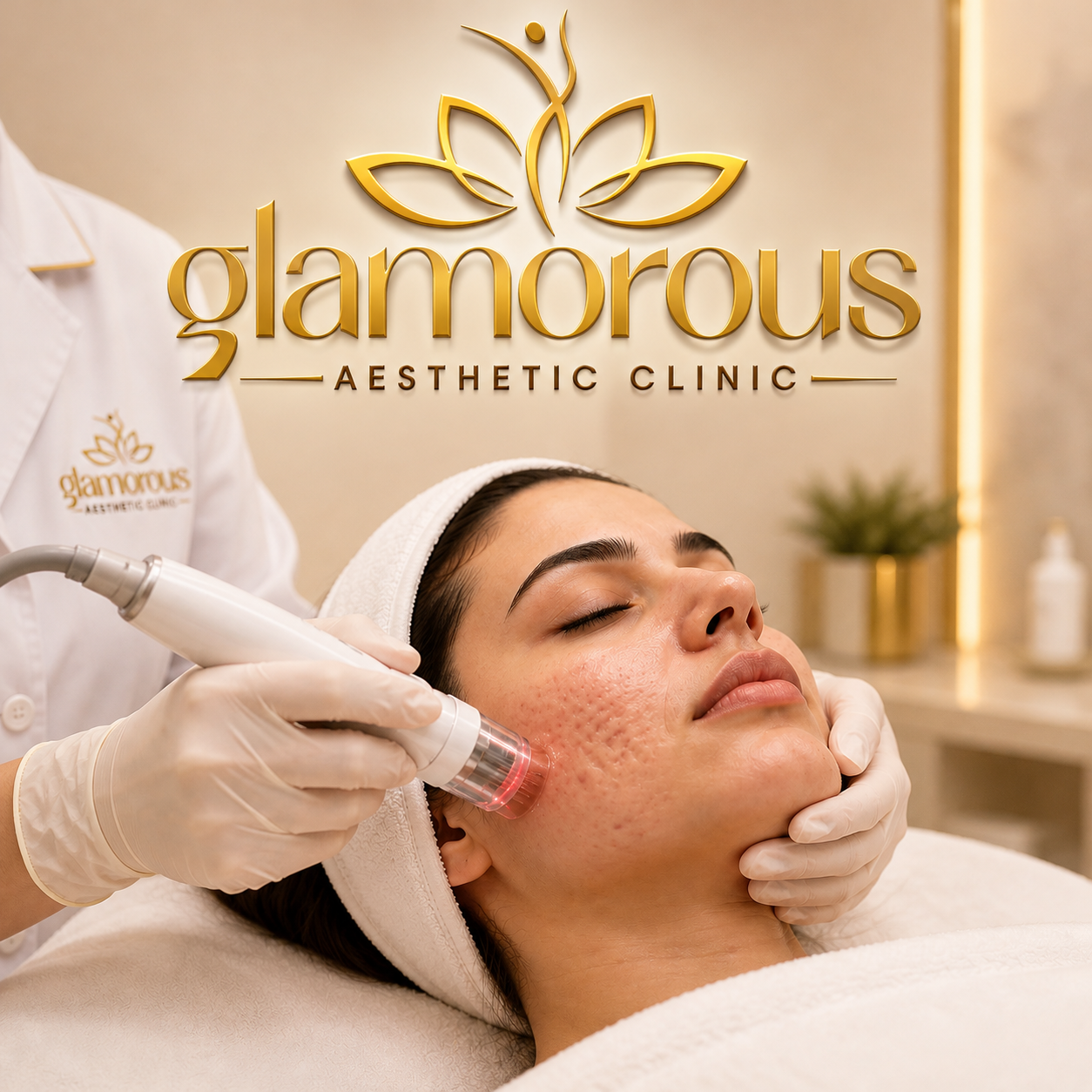
Persistent breakouts can affect far more than the surface of the skin, often influencing comfort, confidence, and daily routines. Because acne has many causes, a single approach rarely suits every person. Care that is guided by trained professionals can help identify what is driving the condition and how it should be managed. For individuals seeking Acne Treatment in Islamabad , an expert-led approach at Glamorous Aesthetic Clinic begins with understanding the skin before recommending any plan.
Why Acne Looks Different on Every Skin Type?
Acne develops when excess oil, dead skin cells, bacteria, and inflammation combine within the pores. The way these factors appear depends largely on the skin type involved. Oily skin may show frequent blackheads and inflamed pimples, while dry or sensitive skin may react strongly to harsh products and develop irritation alongside breakouts. Combination skin often presents oiliness in the central face with dryness elsewhere, which makes product selection more complicated. Even mature skin can experience acne, particularly when hormonal changes or lifestyle factors are involved. Recognizing these differences is the first step toward care that works with the skin rather than against it.
The Value of an Expert-Led Approach
Acne is a medical skin concern, and its management benefits from professional assessment. Over-the-counter products and home remedies may help mild cases, yet they can also cause dryness, irritation, or worsening of existing concerns when used without guidance. An experienced practitioner can distinguish between different types of acne lesions and recommend suitable options.Expert-led care also looks beyond visible pimples. It considers how long the condition has been present, previous treatments tried, and any factors that may be contributing, such as hormonal influences, stress, diet, or skin care habits. This broader view supports a plan that addresses causes as well as symptoms.
A Thorough Skin Consultation
The foundation of effective acne care is a detailed consultation. During this visit, the specialist examines the skin, identifies the type and severity of acne, and asks about medical history, medications, and daily routine. Questions about previous reactions to products help avoid ingredients that may not suit the patient.Patients are encouraged to share their goals and concerns openly. Some may be mainly concerned with active breakouts, while others also want to address marks or uneven texture left by earlier acne. A clear conversation ensures that the proposed plan reflects personal priorities and realistic expectations.
Care for Oily and Acne-Prone Skin
Oily skin tends to produce excess sebum, which can clog pores and encourage breakouts. Care for this skin type usually focuses on controlling oil, keeping pores clear, and reducing inflammation without stripping the skin of necessary moisture. Gentle cleansing and carefully selected active ingredients play an important role.Professional guidance helps patients avoid a common mistake, which is over-cleansing or using very harsh products in an attempt to dry out the skin. Excessive dryness can prompt the skin to produce even more oil, creating a frustrating cycle. A balanced plan supports clearer skin while preserving its protective barrier.
Care for Dry and Sensitive Skin
Dry or sensitive skin can still develop acne, and treatment must be gentle to avoid redness, peeling, and discomfort. Strong ingredients may be introduced gradually, and hydration becomes an essential part of the routine. Soothing, non-irritating formulations are often preferred.Patients with sensitive skin should be especially cautious about changing products frequently or combining several actives at once. A specialist can suggest an appropriate order and pace of treatment so that the skin has time to adapt. Patience and consistency are often more valuable than aggressive measures.
Care for Combination Skin
Combination skin requires a flexible plan because different areas of the face behave differently. The forehead, nose, and chin may need oil control, while the cheeks may need hydration and gentle support. Treating the entire face the same way can leave some areas irritated and others unchanged.An expert can tailor product choices and treatment steps to each zone. This targeted approach helps maintain comfort while addressing breakouts, and it can be adjusted over time as the skin responds.
Hormonal and Adult Acne
Acne is not limited to teenage years. Many adults experience breakouts linked to hormonal changes, stress, or other personal factors, often appearing along the jawline and lower face. These cases may be persistent and can require a different strategy from typical teenage acne.When hormonal factors are suspected, a thorough evaluation becomes especially important, and in some cases collaboration with other medical professionals may be appropriate. Honest discussion about patterns, such as breakouts that follow a cycle, helps the specialist choose a suitable direction for care.
Addressing Acne Marks and Texture
For many patients, the concern continues after breakouts have settled. Dark marks, redness, and uneven texture can remain and affect how the skin looks. Treating these concerns requires a plan that is distinct from controlling active acne.A specialist can advise on suitable options and the sequence in which concerns should be addressed. Controlling active acne first is often important, since new breakouts can create new marks. Sun protection also plays a central role, because ultraviolet exposure can darken post-acne marks and slow their improvement.
Everyday Habits That Support Treatment
Professional care works best when supported by consistent habits at home. A simple routine of gentle cleansing, suitable moisturizing, and daily sun protection forms the base of most plans. Patients are advised to avoid picking or squeezing blemishes, as this can lead to inflammation, marks, and in some cases scarring.Other helpful habits include washing pillowcases regularly, keeping hands away from the face, and choosing non-comedogenic cosmetics. Lifestyle factors such as sleep, hydration, and stress management may also influence skin health, although their effect differs from person to person.
Realistic Expectations and Follow-Up
Acne treatment is typically a gradual process, and visible improvement often takes weeks or months. Skin may even look slightly worse in the early stages as it adjusts to new products, which is why follow-up visits are valuable. They allow the specialist to review progress, adjust the plan, and answer questions.No ethical clinic can promise identical results for every patient. Outcomes depend on the type and severity of acne, individual skin response, and how consistently the plan is followed. Honest guidance helps patients stay committed without becoming discouraged.
Conclusion
Acne affects each person differently, and effective care begins with understanding skin type, acne pattern, and individual goals. Expert-led guidance at Glamorous Aesthetic Clinic emphasizes careful consultation, personalized planning, and steady follow-up, whether the skin is oily, dry, sensitive, or combination. Patients who combine professional care with consistent daily habits and realistic expectations are better positioned to achieve healthier, clearer-looking skin over time. If acne has been a lasting concern, a consultation with a qualified specialist is a sensible first step toward a plan designed around your skin.
Read More :
https://connectlot.in/read-blog/17584